
More speakers will be announced in the coming months.





.png?sfvrsn=6713325d_2)


.png?sfvrsn=1cbe3eb6_1)



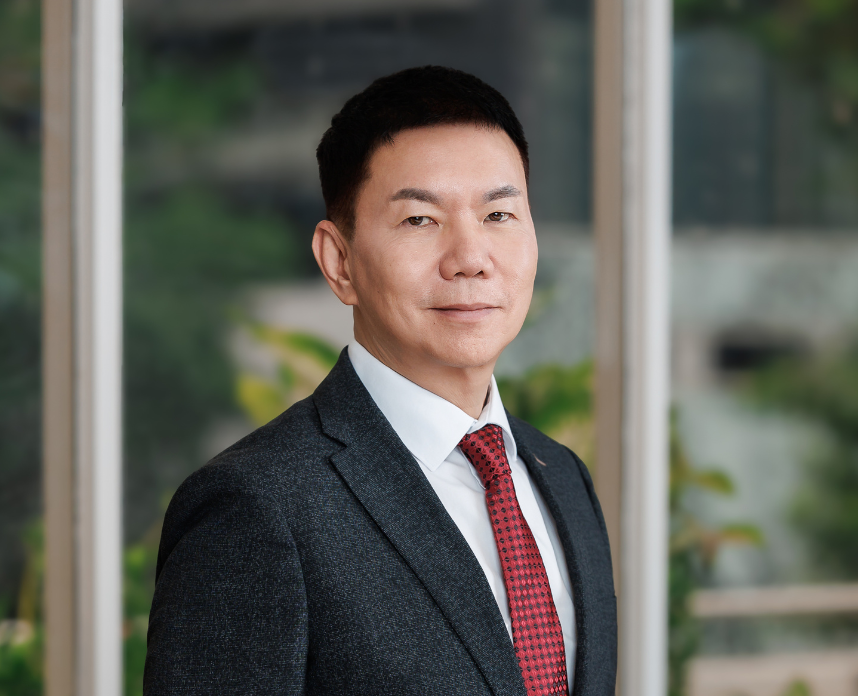
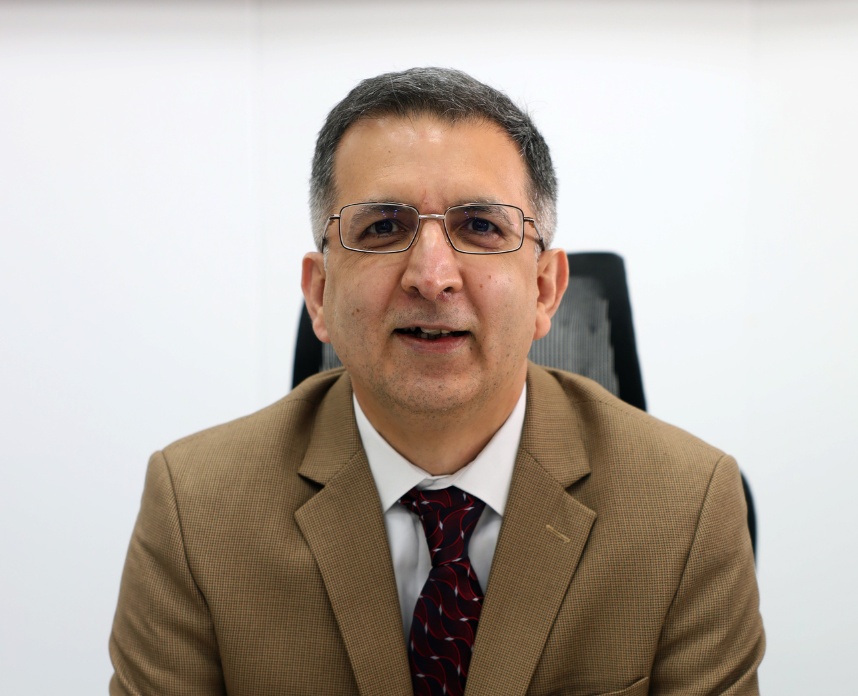

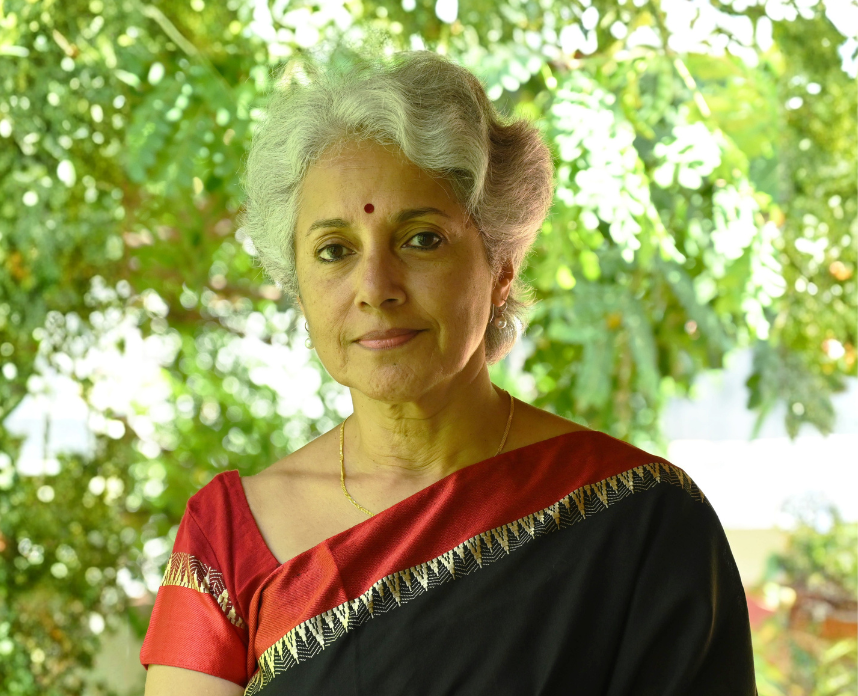
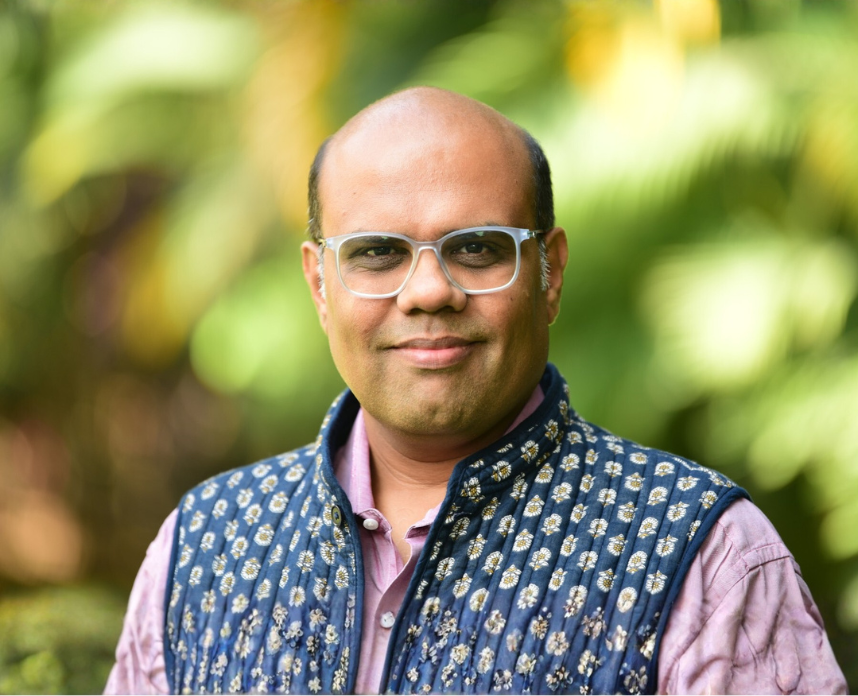

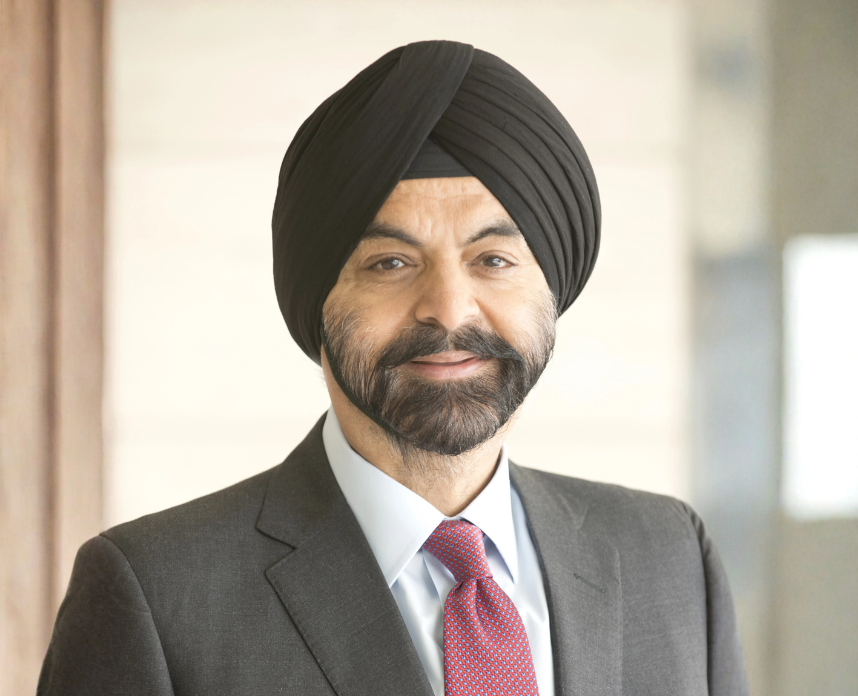
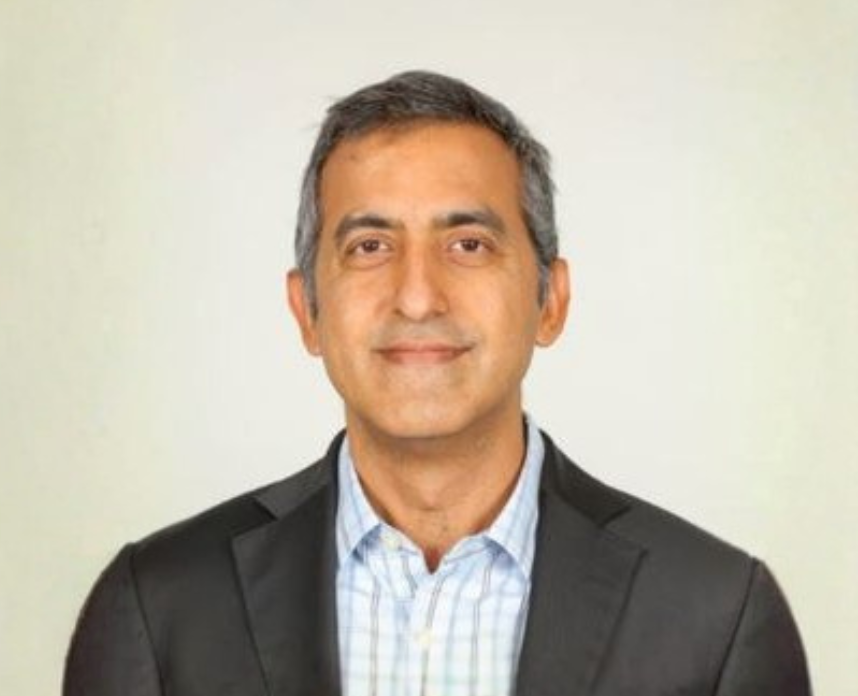
Ajay Banga is the President of the World Bank Group, beginning his five-year term on June 2, 2023. He stepped into the role with a clear mandate: to transform the 80-year-old institution into a faster, more efficient, and more impactful partner in development.
Since taking office, Ajay has led the adoption of a new vision and mission for the World Bank: to create a world free of poverty—on a livable planet. Under his leadership, the Bank has undertaken a broad set of reforms to boost lending capacity, simplify operations, and deliver development solutions that are practical, scalable, and impactful. He has prioritized a more agile institution—one that is easier to work with and focused on getting results.
At the core of Ajay’s agenda is a belief that job creation is the most powerful driver of development—offering not just income, but dignity and purpose. That conviction has helped shape new efforts to connect 300 million Africans to electricity by 2030, expand access to quality and affordable healthcare for 1.5 billion people, and develop a modern approach to agribusiness that can drive growth, improve food security, and create economic opportunity.
Ajay has also brought renewed focus to harnessing the power of the private sector. He has strengthened collaboration with development partners, philanthropies, and investors, and launched the Private Sector Investment Lab—bringing together leading CEOs and asset managers to tackle the barriers holding back private capital in emerging markets. His approach reflects a fundamental shift: development progress at scale cannot be achieved without the innovation, financing, and execution capabilities of the private sector.
Prior to joining the World Bank, Ajay was Vice Chairman at General Atlantic and, before that, President and CEO of Mastercard. There, he led a global workforce of nearly 24,000 and made financial inclusion a core part of the company’s strategy. He also founded the Mastercard Center for Inclusive Growth to advance equitable and sustainable economic opportunity.
Ajay’s leadership extends beyond the private sector. He served as Chairman of the International Chamber of Commerce (2020–2022), and has held board roles with the American Red Cross, Kraft Foods, and Dow Inc. He is also a co-founder of the Cyber Readiness Institute. His contributions have earned wide recognition, including the Singapore Public Service Star award (2022), the Padma Shri from the President of India (2016), the Foreign Policy Association Medal (2012), and the Ellis Island Medal of Honor.
As President of the World Bank Group, Ajay Banga is reshaping the institution to meet the defining challenges of our time—with urgency, ambition, and a relentless focus on delivering results.
Alasdair Harris leads the Ocean Resilience & Climate Alliance (ORCA), a philanthropic collaborative advancing high-impact solutions at the intersection of ocean protection and climate action. ORCA brings together global funders to accelerate ocean-based climate mitigation, adaptation and resilience strategies at scale. A marine biologist and social entrepreneur with more than two decades of experience, Alasdair has built his career at the interface of ocean conservation and social justice. He previously founded and served as CEO of Blue Ventures, which began as a small community-led marine conservation initiative on a remote beach in Madagascar and grew under his leadership into an internationally recognised organisation of more than 300 staff working across over a dozen countries in Southeast Asia, Africa and the Caribbean. His work pioneered community-led approaches to fisheries management, coastal livelihoods and marine protection, demonstrating how locally led conservation can deliver environmental recovery alongside economic resilience. In addition to his executive roles, Alasdair has served as a founding chair and board member of environmental non-profits, and currently serves on the boards of several conservation and climate-focused organisations. Across these roles, he works to strengthen governance, strategy and capital mobilisation in support of practical, community-led climate solutions. Alasdair is a TED Fellow, Ashoka Fellow and National Geographic Explorer. He holds a PhD in marine ecology and an honorary Doctor of Science from the University of Edinburgh.
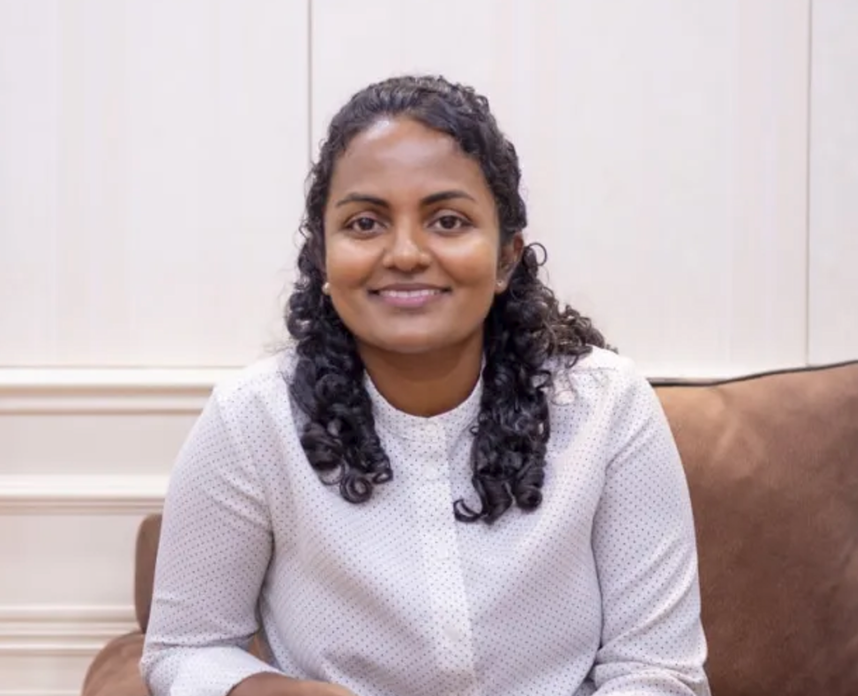
Aminath Shauna is a Maldivian leader in climate policy, sustainable development, and democratic governance, with over 15 years of senior experience in government and public policy. She served as Minister of Environment, Climate Change and Technology from 2021–2023, and earlier as Policy Secretary at the President’s Office, where she led national climate, energy, environment, and digital transformation agendas. As Minister, Shauna steered major reforms including tripling solar energy investments, introducing a comprehensive single-use plastics ban policy, and implementing a nationwide conservation program protecting ecologically significant areas. She also worked closely with development partners and international financial institutions to advance national priorities in renewable energy, waste management, conservation, and digitalization. Internationally, she co-led ministerial negotiations on the Global Goal on Adaptation at COP26 and COP27 and played a pivotal role in securing the Loss and Damage Fund. Shauna currently is an Advisor on sustainability at the Soneva Conservation & Sustainability Maldives. She also serves on the Board of the Ocean Risk and Resilience Action Alliance. She is also a member of the UN Ocean Decade Advisory Board for the 2026–2027 term.
Dr. Ana K. Spalding is the Founding Director of the Adrienne Arsht Community-Based Resilience Solutions Initiative at the Smithsonian Tropical Research Institute in Panama. Dr. Spalding holds a BA in economics and international studies from the University of Richmond, a master’s degree in marine affairs and policy from the University of Miami and a master's and doctorate in environmental studies from the University of California, Santa Cruz. She has published widely on the socio-environmental outcomes of lifestyle migration to Panama; on the linkages between land use and policy, property rights, and development; and, more broadly, on the evolution of marine policy and ocean governance. She is also fascinated by interdisciplinarity and collaboration as a critical framework for co-creating innovative solutions to the coupled social and environmental challenges of our times. Current research includes locally-led conservation, adaptation as a pathway to resilience for marine resource-dependent communities, and the role of ocean governance and finance in securing co-benefits for people and nature.
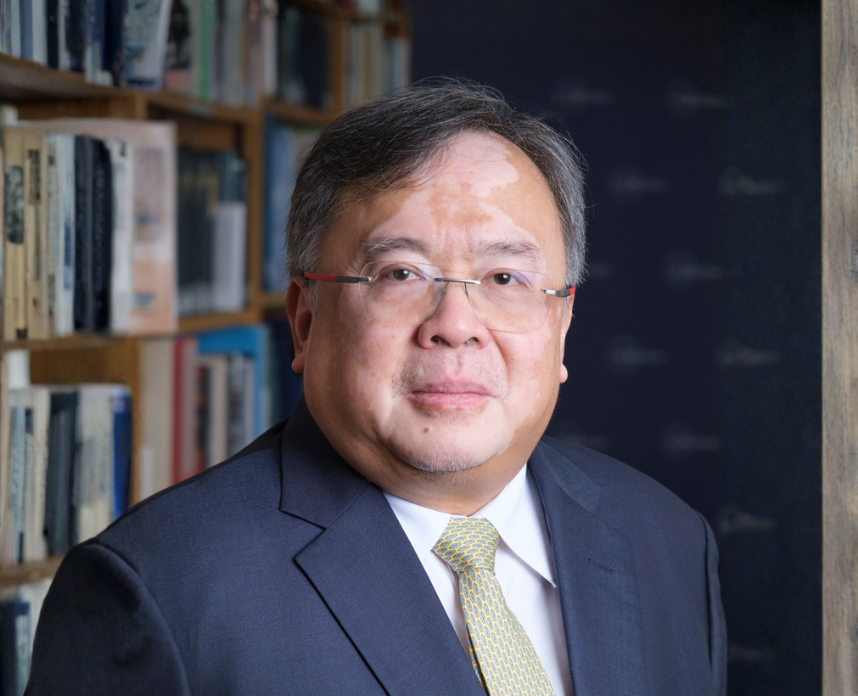
Bambang Brodjonegoro, an Indonesian national, is the Dean and CEO of the Asian Development Bank Institute (ADBI). Before joining ADBI in April 2025 he was Special Advisor to the President of the Republic of Indonesia for Economic Affairs and National Development. He served the Government of Indonesia in several senior leadership roles from 2011. He was Indonesia’s Minister of Finance (2014–2016), Minister of National Development Planning (2016–2019), and Minister of Research and Technology (2019-2021). Besides government and academic, he also served as Director General of Islamic Research and Training Institute (IRTI), Islamic Development Bank (IsDB) (2009-2010).
Dean Brodjonegoro holds a doctorate and master's degree in urban and regional planning from the University of Illinois at Urbana-Champaign and a bachelor's degree in economics from the Faculty of Economics and Business, University of Indonesia, where he was full Professor and serving as Dean during 2005-2009.
Dr. Brian Kennedy is a Distinguished Professor in the Departments of Biochemistry and Physiology and also serves as the Programme Chair of the Healthy Longevity Translational Research Programme and Director of the Bia-Echo Asia Centre for Reproductive Longevity and Equality, Yong Loo Lin School of Medicine, National University Singapore. In addition, he is also the Director of the Centre for Healthy Longevity, National University Health System. Collectively, NUS ageing research seeks to demonstrate that longevity interventions can be successfully employed in humans to extend healthspan, the disease-free and highly functional period of life. From 2010 to 2016, Dr. Kennedy was the President and CEO of the Buck Institute for Research on Aging, USA and he maintained a professorship there through 2020. Dr. Kennedy is also actively involved with a number of Biotechnology companies and also served as a Co-Editor-In-Chief at Aging Cell from 2011-2021. Finally, Dr. Kennedy has a track record of interaction in China, where he was a Visiting Professor at the Aging Research Institute at Guangdong Medical College from 2009 to 2014.
Brishan Rowjee brings over a decade of experience deploying equity and debt capital across growth-oriented and impact-driven sectors. He currently works at Grand Challenges Canada, where he focuses on leading risk capital investments that support innovative companies and solutions aimed at improving health outcomes in communities globally. He brings deep expertise in investment sourcing, due diligence, transaction structuring, and portfolio value creation across equity, debt, and hybrid financing instruments. His work is centered on catalytic capital strategies that help early and growth stage companies achieve financial sustainability while delivering measurable social impact. Brishan also holds multiple board positions across portfolio companies, where he supports governance, strategic growth, and capital planning. Prior to joining Grand Challenges Canada, he held roles in private equity, leveraged finance, and private credit, working on complex transactions and restructurings across emerging and developed markets. He brings a global perspective and collaborative leadership style, with a strong commitment to scaling locally led businesses that create lasting impact.
Carol Liew is the Founding Managing Director of ECCA Family Foundation, bringing over 15 years of experience across impact-driven philanthropy and international development. She leads ECCA’s grantmaking and impact investments, supporting locally led solutions in ocean sustainability, biodiversity, and underserved communities. Under her leadership, ECCA works in close partnership with NGOs, community leaders, government, and academia to drive collective action and strengthen systems-level change. The foundation takes a relational, high-touch approach—backing early-stage and grassroots actors while helping to connect them with broader networks and resources. Previously, Carol was Head of Philanthropy at North-East Family Office, where she shaped strategic giving for families and helped establish ECCA. Her earlier work in humanitarian and development contexts spanned eight countries across Asia, managing multi-million-dollar programs in climate adaptation, sustainable livelihoods, and community resilience. She is committed to shifting power in philanthropy and mobilizing resources in ways that are flexible, inclusive, and grounded in the realities of those closest to the work.
Dilhan has held various leadership roles in Temasek, including Head of the Investment, the Portfolio Management and the Enterprise Development Groups. He has also led the Temasek market teams in Singapore and the Americas.
Prior to Temasek, Dilhan was the Managing Partner of WongPartnership LLP. He has over 20 years of legal experience, mainly focusing on mergers and acquisitions, corporate governance, and corporate law.
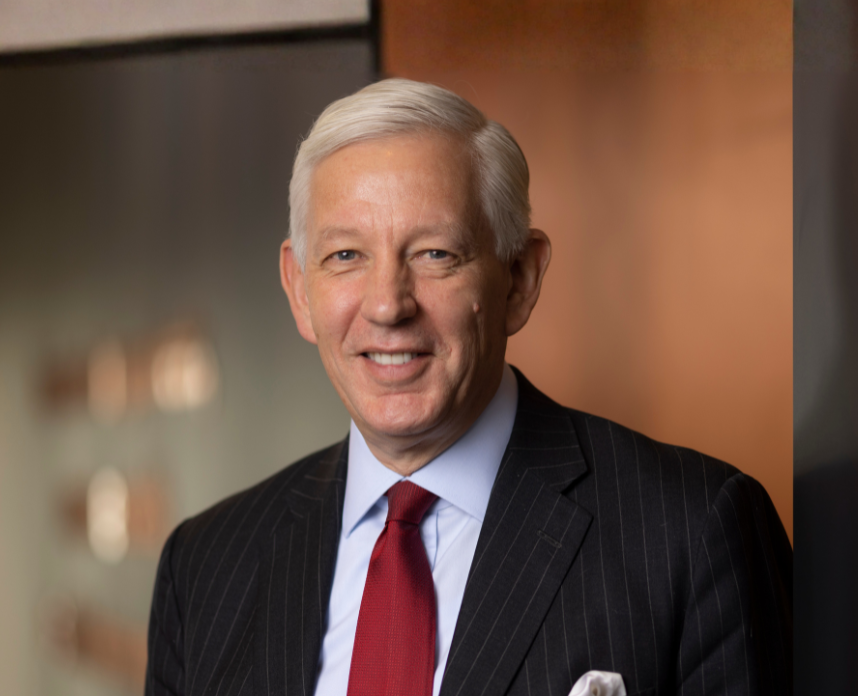
Dominic is Chair of Rio Tinto; Chair of LeapFrog Investments, an impact-investment firm focused on emerging markets; and the Chair of Asia House, a leading think tank and advisory firm in London. He is also a senior advisor and partner at Radical Ventures, a leading AI investment firm; and a senior counselor at Eurasia Group, a global political risk consultancy.
Previously, Dominic was a Senior Partner at McKinsey & Company and served as Global Managing Partner for three terms from 2009 to 2018. Dominic completed his role as the Ambassador of Canada to the People’s Republic of China from 2019 to 2021.He served as Chairman of Teck Resources and Non-Executive Director at the Singtel Group (Singapore) and Investor AB (Sweden). He brings a wealth of global business experience, as well as a deep insight of geopolitics, corporate sustainability, and governance.
Mr Edmund Koh is a career banker with more than 30 years of experience in the financial services industry in Singapore and the Asia Pacific region during which time he garnered a deep understanding of Asian markets and developed a strong track record in leading and building successful businesses in Asia.
A strong advocate of talent development and community involvement; he is always in the front line of providing mentoring to juniors, knowledge sharing and nurturing the next generation of leaders.
Mr Koh is a board/council member of various committees including the MAS Financial Centre Advisory Panel, the Wealth Management Institute, the Asian Bureau of Finance and Economic Research, and the University of Toronto International Leadership Council. He holds a Bachelor of Science in Psychology from the University of Toronto, Canada.
Elizabeth Yee is Executive Vice President of Programs at The Rockefeller Foundation, overseeing global programs, regional offices, partnerships and learning and impact. She joined in 2019 as Managing Director of Climate and Resilience and later served as Chief of Staff. She previously held leadership roles at 100 Resilient Cities and spent 17 years in infrastructure finance at Morgan Stanley, Lehman Brothers and Barclays, closing over $30 billion in transactions. Liz serves on the boards of Sustainable Energy for All and Punahou School, the advisory board of Co-Impact, and is a Member of the Council on Foreign Relations. She holds a degree from the University of Pennsylvania.
Fan Gu is Chief Investment Officer at 100x Impact, where she leads venture acceleration to identify & back potential “social unicorns” scaling solutions to positively impact billions of lives. She previously managed a financial inclusion investment portfolio within a £130m government initiative and has held senior roles across social and commercial investment, including at Charities Aid Foundation, one of the UK’s largest foundations with £1.1bn under management, and at Deutsche Bank, where she executed over £5bn in public market transactions. Fan holds an Economics degree from the London School of Economics.
One of Asia’s most respected higher education, health and philanthropic leaders, Gabriel Leung is known for his commitment to improving human capabilities, nurturing impactful innovation and building strong institutions. He is Executive Director (Charities and Community) of the Hong Kong Jockey Club overseeing its Charities Trust, while serving as a Governor of Welcome Trust. Gabriel’s career has straddled academe, public service and philanthropy. From 2013 to 2022, he was the longest-serving Dean of Medicine and inaugural Helen and Francis Zimmern Professor in Population Health at the University of Hong Kong (HKU). Formerly, he was Hong Kong's Under Secretary for Food and Health then Director of the Chief Executive's Office in government. His research defined the epidemiology of three novel viral epidemics, namely SARS in 2003, H7N9 influenza in 2013 and most recently COVID-19. As minister, he led Hong Kong government's response against the 2009 influenza pandemic. He was founding co-director of HKU's World Health Organization Collaborating Centre for Infectious Disease Epidemiology and Control and established the Laboratory of Data Discovery for Health (D24H) at the Hong Kong Science and Technology Park. Around the world, Gabriel regularly advises national and international agencies including the World Health Organisation, World Health Summit, Prince Mahidol Award Conference, Pasteur Network, Communicable Diseases Agency of Singapore and Chinese Center for Disease Control and Prevention. He is an elected member of the US National Academy of Medicine and holds honorary professorships at Tsinghua, Peking Union Medical College Hospital and HKU.
Hemant Mandal, Director, Department of the Asia and Pacific Region Hemant brings over 25 years of experience creating markets across climate and sustainability. This has involved running P&Ls, developing, structuring, and investing in projects and companies, and providing strategic advice on regulations, bankable commercial contracts, and PPP transactions to governments. His specialties span energy generation, transition, transmission, and distribution sectors, having successfully created portfolios of more than USD 10 billion globally. He has worked for multilaterals and the private sector, including the International Finance Corporation (World Bank Group), the Asian Development Bank, Shell Wind, GE Wind, one of the largest global single-family offices and IPP’s. He has also run his own companies at operational and C-suite levels. He is an engineer by training and has an MBA from the University of Michigan’s Ross School of Business.
Joseph Curtin is the Vice President, Energy Transitions, at The Rockefeller Foundation. Joe joined the Foundation in 2019. In this role, he is responsible for leading the Coal to Clean and Africa Energy Futures portfolios, and advancing research and thought leadership projects that shape global energy transition debates.
Karen is the co-founder, President and Executive Director of the Ocean Risk and Resilience Action Alliance (ORRAA), a unique multi-sector collaboration between the private sector, governments and civil society designed to build resilience in the regions and communities most vulnerable to ocean risk, by pioneering finance and insurance products that incentivise investment into nature-based solutions. She has spent her career working on ocean conservation, advocacy and policy and has spoken and written extensively on ocean conservation, climate and sustainable finance. She previously served as CEO of Ocean Unite, a non-profit co-founded in 2015 by Karen, Sir Richard Branson and former Costa Rican President José María Figueres which focused on achieving the 30x30 biodiversity target. Before that, she was Senior Director for International Oceans at The Pew Charitable Trusts where she initiated the Global Ocean Commission. She has also been head of Greenpeace International’s Political & Business Unit and of their international oceans campaign. She has spearheaded global campaigns to secure a new high seas biodiversity treaty, establish large marine reserves and sanctuaries, reform the EU’s Common Fisheries Policy, end illegal fishing and high seas bottom trawling, and drive political and policy action to protect marine species. Karen has a M.Phil in International Environmental Law from the University of Cape Town, and a M.A. in International Political Economy from the American University in Washington, D.C.. She is originally from South Africa and currently lives in the United States. In 2024, she was a Rockefeller Bellagio Resident Fellow.
Kate Epstein is a Partner at Delivery Associates and Head of its global Government Practice. She is an experienced and creative public sector leader with a strong track record in driving government innovation, data-driven decision-making, and cross-sector collaboration across international contexts. Prior to joining Delivery Associates, Kate held senior leadership roles across several government agencies in Australia, including playing a key role in establishing the world’s first Department of Customer Service in New South Wales. Kate has led major transformation initiatives to improve how governments design and deliver services. This includes advancing the use of data and analytics to inform policy and operational decisions, leading whole-of-government data modelling efforts during the COVID-19 response, and designing and delivering large-scale linked data assets to enable more integrated, citizen-centred services to some of the state's most vulnerable citizens. She has worked at the centre of government in Australia and globally, partnering with senior leaders across the public, philanthropic, and private sectors to drive large-scale reform and measurable social impact in areas such as children’s health, education, sustainability, and economic empowerment. Kate is a recognised leader in embedding customer experience and evidence at the heart of government. Known for translating strategy into action, she brings a practical, delivery-focused approach to reform—helping governments achieve better outcomes for citizens through innovation, partnerships, and the smarter use of data.
Laurel Blatchford is a director and senior partner at Delivery Associates, a global social impact consultancy that specializes in supporting governments and nonprofits to translate complex strategies into real-world delivery, with a particular focus on building the capacity of public systems to drive lasting, equitable impact. Laurel’s 25-year career has included leadership roles in the public, nonprofit and philanthropic sectors. Between 2023-2025 Laurel served as the Chief Implementation Officer for the Inflation Reduction Act (IRA) at the US Department of the Treasury. Before her most recent government service, Laurel was a managing director at Blue Meridian Partners, a major philanthropic pooled fund focused on economic mobility. Laurel also served as President of Enterprise Community Partners, one of US's largest affordable housing and community development intermediaries, where she oversaw activities in 12 markets across the US. From 2009-2013, Laurel served as Chief of Staff to Secretary Shaun Donovan at the US Department of Housing and Urban Development. Prior to joining the Obama Administration, she held senior roles in the administration of New York City Mayor Mike Bloomberg. Laurel currently serves on the boards of the American Flood Coalition and Fountain House and is a Senior Advisor to Renaissance Philanthropy. She holds an MPP from Harvard Kennedy School and a BA from Williams College.
Marina is Associate Professor at University College London, and the Executive Director of the Lancet Countdown: Tracking Progress on Health and Climate Change. The Lancet Countdown is an independent and multi-disciplinary research collaboration between over 100 academic centres and UN organisations from around the world, in strategic partnership with WHO, and headquartered at University College London’s Institute for Global Health.
She is also a member of the UK's Climate Change Adaptation Committee, and is one of the seven global experts selected to refine the Global Goal on Adaptation indicators for health under the Paris Agreement. In 2025 she was appointed honorary member of the UK Faculty of Public Health.
Marina trained as a clinical biochemist in the University of Buenos Aires, Argentina, and holds a PhD in biomedical sciences from the University of Cambridge. Her research background spans from toxicology through to environmental health and climate change, and before joining the Lancet Countdown she carried out her research in the Instituto Tecnologico de Buenos Aires, the University of Cambridge, and the Francis Crick Institute in London, UK.
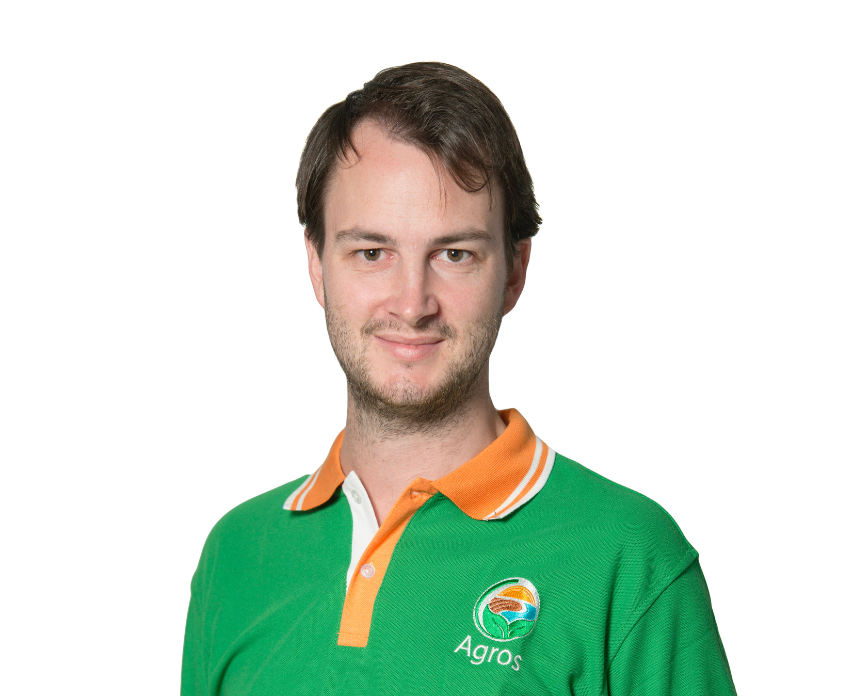
Max Nelen is a mission-driven entrepreneur passionate about accelerating climate-smart solutions for smallholder farmers across Southeast Asia. As Founder and CEO of Agros, Max leads the company’s strategy, partnerships, and market development to make irrigation more sustainable, affordable, and scalable. Before founding Agros, he served as a Venture Builder at Rainmaking, where he helped launch and scale impact-driven ventures such as Solar AI and Table Pointer, advancing renewable energy and operational efficiency in urban and agricultural sectors. Earlier in his career, he worked as a Strategy Consultant at Roland Berger, advising Fortune 500 clients on growth and transformation. Fluent in English, Dutch, and French, he brings a global perspective to Agros’s mission of building a climate-resilient future for farmers.
Munib is the Chief Executive Officer of FAST-P Asia Pte Ltd, overseeing the strategic direction and execution of Financing Asia’s Transition Partnership (FAST-P), a blended finance initiative launched by the Monetary Authority of Singapore. FAST-P brings together international public, private and philanthropic partners to support Asia’s decarbonisation and climate resilience.
Munib has 30 years of Investment Management experience. Prior to leading FAST-P, he founded Singapore’s first B Corp-certified fund management firm, and had spent 14 years at Morgan Stanley Investment Management, where he served as CIO of Asia Equity and co-Portfolio Manager for a global mandate with US$14 billion under his watch.
Munib is a CFA Charterholder with a Master of Science in Environmental Management from the National University of Singapore. He also holds a Bachelor of Laws and a Bachelor of Business Administration in Finance (First Class Honours) from the University of Technology, Sydney.
Naina Subberwal Batra is the CEO of AVPN, Asia’s largest network of social investors that aims to increase the flow of financial, human and intellectual capital for impact.
Naina’s leadership since 2013 has nurtured the AVPN community, growing the membership base by more than four times and elevating the organisation into a truly regional force for good. Under her direction, AVPN has grown from focusing only on venture philanthropy to supporting the entire ecosystem of social investors, from catalytic philanthropists to impact investors and corporate CSR professionals.
Naina is currently a Board Director for the Blue Earth Foundation, as well as a Board Member of the Menzies Foundation and Blue Planet Environmental Solution Pte Ltd.
Naina was featured on the list of Asia's Most Influential by Tatler Asia in 2025 and 2021, and was a fellow at The Bellagio Center Residency Program in 2022. She was awarded by CSRWorks as one of Asia's Top Sustainability Superwomen in 2019.
Mr Ng Yi-Xian is the Group Chief Executive Officer of EtonHouse International Education Group, leading a global footprint of about 100 schools in Asia. A second-generation leader and son of founder Ng Gim Choo, he has driven group expansion through Middleton International School, The Eton Academy, and ELEVATE After-School Care. With a finance background in investment banking and hedge funds, he brings strong strategic discipline and has led the group’s digital transformation. His leadership was recognised with a 2024 Next ICON Award for technological innovation within a family enterprise. A father of three, he is an advocate for mindfulness and passionate about adventure sports.
Ramanan Laxminarayan is founder and president of the One Health Trust in Washington, D.C. and Bangalore, a senior research scholar at Princeton University, and director of the WHO Collaborating Center on Antimicrobial Resistance in New Delhi. He is an affiliate professor at the University of Washington, senior associate at the Johns Hopkins Bloomberg School of Public Health, and a visiting professor at the University of Strathclyde in Scotland and the National University of Singapore Saw Swee Hock School of Public Health. He is founder at HealthCubed, which works to improve access to healthcare and diagnostics worldwide.
Since 1995, Laxminarayan has worked to improve the understanding of antibiotic resistance as a problem of managing a shared global resource. His work encompasses extensive peer-reviewed research, public outreach, and direct engagement across Asia and Africa through the Global Antibiotic Resistance Partnership. Through his prolific research, active public outreach (including a TED talk that has been viewed over a million times) and sustained policy engagement, he has played a central role in bringing the issue of drug resistance to the attention of leaders and policymakers worldwide and to the United Nations General Assembly in 2016 and 2024.
During the Obama Administration, Laxminarayan served on the U.S. President’s Council of Advisors on Science and Technology’s antimicrobial resistance working group and in 2015 was appointed a voting member of the U.S. Presidential Advisory Council on Combating Antimicrobial Resistance where he served until 2023. From 2018 to 2024, Laxminarayan was the first board chair of GARD-P, a global product development partnership created by the World Health Organization, that aims to develop and deliver new treatments for bacterial infections. He is a series editor of the Disease Control Priorities for Developing Countries, 3rd edition.
In 2003-04, he served on the National Academy of Science/Institute of Medicine Committee on the Economics of Antimalarial Drugs and subsequently helped create the Affordable Medicines Facility for malaria, a $450 million novel financing mechanism for antimalarials that reduced the cost of antimalarials worldwide. In 2012, Laxminarayan created the Immunization Technical Support Unit that supports the immunization program of the Ministry of Health and Family Welfare of the Government of India and which is credited with helping introduce four new vaccines and extending vaccination coverage to 3 million infants. As Vice President, Research and Policy at the Public Health Foundation of India between 2011 and 2015, he led the growth of a research division to over 700 technical and research staff.
Laxminarayan led the largest Covid-19 epidemiology study in the world based on extensive contact tracing in India. The flagship paper from this study was published in Science in 2020.
Laxminarayan is a fellow of the American Association for Advancement of Science and the Infectious Diseases Society of America, and a member of the Council on Foreign Relations. He was named a distinguished alumnus by the Birla Institute of Technology and Science, Pilani in 2019, and by the University of Washington Department of Economics in 2020. He is a winner of the Ella Pringle medal by the Royal College of Physicians in Edinburgh (Pringle was the first ever woman elected to the RCPE), the BP Koirala medal in honor of Nepal’s first democratically elected Prime Minister and 2024 Garrod Medal by the British Society for Antimicrobial Chemotherapy.
Laxminarayan’s work has been featured on ABC’s 60 minutes and on PBS Frontline as well as various documentary films, and has been widely covered in major media outlets including the New York Times, Washington Post, Associated Press, BBC, Financial Times, CNN, the Economist, LA Times, NBC, NPR, Reuters, Science, Wall Street Journal, and the National Journal. His research includes over 400 books, book chapters, and peer reviewed papers in leading journals in science, medicine and economics.
Ryan is the founding Head of Temasek Trust's Catalytic Capital for Climate & Health (C3H), which funds early-stage companies in Climate, and the intersection of Climate and Health. He is also the head of the Planet Collaborative, which looks at synergising climate-related initiatives within Temasek Trust. Ryan is a seasoned executive with extensive international experience across industries, company stages, and working with diverse stakeholders. He previously held Chief Operating Officer (COO) roles at various start-ups both locally and internationally, and was also the COO at D’Crypt, a cryptographic technology firm. These operational experiences are complemented with earlier corporate roles, such as include heading Mergers & Acquisitions at StarHub, and consulting at Bain & Company. He started his career in the military, and completed a deployment to Afghanistan with the International Security Assistance Force. He serves as a board member on Equatic, a US-based early stage tech company. He also previously served as a member of Singapore’s Dover Park Hospice's Audit Committee. Academically, Ryan was valedictorian of his University of California Los Angeles Anderson and National University of Singapore Executive MBA class, where he was named a John Wooden Global Leadership Fellow. He also holds a B.A. from Dartmouth College (summa cum laude with High Honours), and an M.A. from Columbia University. He remains active in Singapore’s reserve as a Senior Lieutenant-Colonel and Chief of Staff of an Armoured Brigade. He was awarded the North Atlantic Treaty Organisation medal, and Singapore’s National Day Commendation Medal (Military) [Pingat Penghargaan (Tentera)]. In his personal life, he brings his persistence to outdoor activities, cycling and long-course triathlons, and has completed several IRONMAN 70.3 races and IRONMAN Cairns in 2024.
Shamina Singh is the founder and president of the Mastercard Center for Inclusive Growth and executive vice president of sustainability at Mastercard, where she leads the company’s global social and environmental impact strategy. A member of Mastercard’s Management Committee, she draws on more than two decades of public and private sector experience to unite investors, policymakers, government and impact leaders to advance private sector-led social and business outcomes that shape inclusive and impactful economies. Her cross-functional leadership style has been recognized by American Banker and the Financial Times. Since launching the Center in 2014, Shamina has leveraged the power of Mastercard’s data, technology, capital, and expertise to advance inclusive and sustainable economic growth around the world. Mastercard and the Center demonstrate how the private sector can lead on business and impact outcomes alongside governments, nonprofits and researchers. This “doing well by doing good” strategy has earned recognition from Fast Company, Fortune, Newsweek, The Wall Street Journal and Forbes. With a career spanning four U.S. presidential administrations and three Fortune 500 companies, Shamina has held senior roles in the White House and the U.S. House of Representatives. She is a Henry Crown Fellow of the Aspen Institute, a Presidential Leadership Scholar, and an alumna of the World Economic Forum’s Young Global Leadership Fellows Program. Currently, Shamina serve on the board of The Asian American Foundation (TAAF), and on the advisory boards of data.org, Okta for Good, the Aspen Institute’s Civil Society Fellowship and the CGAP Financial Inclusion Initiative. She is also a contributor to MIT Sloan Management Review on the topic of responsible AI. Shamina holds a Bachelor of Science from Old Dominion University and a Master of Public Affairs from the Lyndon B. Johnson School at the University of Texas at Austin. She has received Alumni of Distinction honors from both institutions.
Mr. Siddharth Sharma is the Chief Executive Officer (CEO) of the Tata Trusts, one of Asia’s oldest and largest philanthropies, which are committed to making a positive and irreversible impact on millions of lives through their interventions in areas such as health, education, nutrition, livelihood, sustainability, urban habitat, sanitation and hygiene. Apart from providing administrative leadership to the Trusts, he also sits on the Boards of various not-for-profit organizations and Section 8 Companies.
Prior to his appointment as the CEO of Tata Trusts, Mr. Sharma was the Group Chief Sustainability Officer at Tata Sons, where he spearheaded the Tata Group’s sustainability agenda, including crafting the Group’s ambitious ‘Net Zero by 2045’ agenda. He was, in that capacity, also the Chair of the Tata Group Sustainability Council, the apex sustainability body of the Tata Group.
Siti Kamariah Ahmad Subki is a Chartered Accountant with qualifications from the University of Sydney and the University of New South Wales. She has over 20 years of professional experience across Malaysia, Australia, and the United States. Her career includes leadership roles such as the Chief Executive Officer of Wanita Berdaya Selangor, an organization dedicated to celebrating talent and empowering women in Selangor in leadership, economic, and social fields. She has also served at PricewaterhouseCoopers (PwC), Khazanah Nasional Berhad, and the United Nations (UN). From 2015 to 2016, Siti served as an Economic, Financial, and Private Sector Advisor to the United Nations Humanitarian Financing High-Level Panel Secretariat in New York. During this time, she led the Islamic Social Finance for Humanitarian Action initiative, which was officially launched at the World Humanitarian Summit in Istanbul in May 2016 by UN Secretary-General Ban Ki-moon. Her extensive background in both the commercial sector and social development has played a key role in fostering entrepreneurship, social progress, and sustainable development. In addition to her professional achievements, Siti is also a self-taught visual artist, blending creativity with financial expertise to drive innovation, promote Malaysia's cultural heritage, and advance the country's economic, social, and sustainability growth. She currently serves as the Trustee and Managing Director of the Hasanah Foundation, a leading impact-driven foundation in Malaysia. At the same time, Puan Siti is a board member of Yayasan Khazanah, INCEIF University, and Think City Sdn Bhd. Puan Siti has completed the Art and Practice of Leadership Development program in June 2025 and the Leading Economic Growth program in December 2025, both at the Harvard Kennedy School Executive Education. Additionally, she has been appointed as a member of the National Unity Advisory Council (MPPN) for the 2025-2027 term, under the Ministry of National Unity (KPN).
Soumya Swaminathan is a pediatrician and global expert in tuberculosis and HIV research.
She recently served as the World Health Organization’s first Chief Scientist, and previously as Director General of the Indian Council of Medical Research (ICMR), Ministry of Health and Family Welfare, Government of India (2015–2017). She became Chairperson of the M S Swaminathan Research Foundation (MSSRF) in February 2023.
She is also Principal Advisor to the National Tuberculosis Elimination Programme (NTEP) and National Science Chair of the Anusandhan National Research Foundation, Government of India.
Srikrishna Sridhar Murthy (Krishna) is the Co-founder and CEO of Sattva Consulting, one of India’s leading impact consulting firms. Krishna is known for championing Denominator Thinking in India’s social impact landscape. This approach focuses on driving systemic change at scale by fostering collaboration and innovation at the intersection of businesses, civil society, governments, and the broader impact ecosystem. His work emphasises the inclusion of underserved communities and geographies in these efforts. With over 15 years of experience in social impact, Krishna has served as an advisor to prominent national and international corporations, non-profits, foundations, and government agencies. Over the past five years, Krishna has helped 50+ leading corporations design CSR strategies that drive greater impact for communities and key industry stakeholders. He has also been a strong advocate for funding and supporting research, deep-tech innovations, and entrepreneurship through corporate CSR initiatives. His work involves close collaboration with institutions such as IITs, IIMs, AIM, IISc, C-CAMP, Social Alpha, and others. A regular speaker at government and industry forums, Krishna emphasises the importance of strategic CSR backed by a data-driven approach to maximise impact. Krishna has also supported the creation of public good platforms in knowledge and data like India Data Insights and the India Partner Network, which have added value to the impact ecosystem. Krishna holds a Bachelor’s degree in Engineering (Hons) from the Birla Institute of Technology and Science, Pilani, and an MBA in Entrepreneurship from INSEAD.
Stigmata is the Executive Director of the Africa Philanthropy Network (APN), the only continent-wide network of organizations focused on building a multi-stakeholder infrastructure of African philanthropy ecosystem actors. Previously, Stigmata worked as a process consultant and development facilitator, bridging civil society with government, private and international development partners. She holds a PhD in Social Anthropology and over twenty years’ worth of experience, building bridges to advance equitable and inclusive development engaging stakeholders in the system to gain trust and genuine representation. Stigmata is a co-founder and a president of the Tanzania Foundation for Civil Society and she serves on several civil society and corporate governance boards.
Finance Association (HKGFA).
At AIIB, Tracy leads the development of innovative private capital mobilisation platforms that channel institutional investment into sustainable infrastructure at scale. At HKGFA, she drives policy advocacy and market development to position Hong Kong as a leading green finance hub.
Tracy previously served as Managing Director and Head of Asia Sustainable Finance at Standard Chartered, and earlier held fixed income and structured products roles at JPMorgan, Mizuho International, Barclays Capital, and BNP Paribas in London and Hong Kong.
Beyond her anchor roles, Tracy is Board Director of both the Hong Kong Green Building Council (HKGBC) and Sprinkle Charity Foundation. She also sits on the Policy Research Committee of the Hong Kong Financial Services Development Council (FSDC) and is Senior Advisor to the HK2050isNow Green Building Project.
She has contributed to the Securities & Futures Commission Climate Change Technical Expert Group, and previously held board positions with AIDS Concern and the Hong Kong LGBT+ Interbank Network, where she founded JPM PRIDE HK.
She holds BA and MSc degrees in International Finance and Capital Markets from the UK, completed the Social Finance Executive Programme at Oxford Saïd Business School, and is certified by the Hong Kong Institution of Bankers in Green and Sustainable Finance.
Wilson L. White is Vice President, Government Affairs & Public Policy at Google, where he is the global head of government affairs and public policy for Google’s Platforms & Devices business unit as well as Google’s government affairs operations across the Asia Pacific region.
With 20+ years of experience as an engineer and technology attorney, Wilson has used his multidisciplinary background and expertise to provide a lawmakers, regulators and other key opinion formers across the Americas, Europe, Africa and Asia with thought leadership on the rapidly growing and changing technology landscape and the societal implications of emerging technologies.
Wilson earned his Bachelor of Science degree, summa cum laude, in Computer Engineering from NC State University. He earned a Juris Doctor degree with honors from the University of North Carolina at Chapel Hill School of Law, where he served on the Editorial Board of the North Carolina Law Review.
Woochong Um is the Chief Executive Officer of the Global Energy Alliance for People and Planet (GEAPP), a multi-sector coalition established in 2021 to address one of the most pressing challenges of our era: eradicating energy poverty and combating the climate crisis through an equitable transition to renewable energy. As CEO, Woochong is committed to advancing GEAPP's mission to unlock sustainable, green energy solutions across Africa, Asia, Latin America, and the Caribbean—fostering economic progress, resilience, and inclusive prosperity for all. His leadership brings new momentum to accelerating the clean energy transition in emerging and developing economies, providing millions of people and businesses with better and safer access to power.
Before GEAPP, Woochong's extensive career in international development, spanning over three decades, includes a distinguished tenure at the Asian Development Bank (ADB) as Managing Director General. In this role, he led transformative global partnerships and innovative funding mechanisms designed to foster economic growth, sustainability, and community resilience across diverse sectors, including health, education, agriculture, and humanitarian aid. Woochong championed ADB’s environmental and renewable energy agenda, embedding climate action plans at the heart of the bank’s development initiatives.
Prior to his role as Managing Director General, Woochong served as Director General for ADB’s Regional and Sustainable Development Department, where he oversaw the bank’s climate finance initiatives, emphasizing private sector engagement and carbon market financing. His portfolio encompassed sustainable infrastructure, social development, governance, environmental safeguards, and public management.
Earlier in his tenure at ADB, he served as Secretary, overseeing relationships between shareholders and management. He also played a pivotal role in the Mekong Department, leading major infrastructure projects, including the groundbreaking Nam Theun 2 Hydroelectric Project in the Lao People's Democratic Republic, developed in collaboration with the World Bank.
Before joining ADB, Woochong gained valuable private-sector experience as a Corporate Information Systems Specialist at Pfizer Inc. in New York and as Lead Programming Analyst at Pitney Bowes Inc. in Stamford, Connecticut.
A Korean national, Woochong holds an MBA in finance and international business from New York University and a Bachelor of Science degree in Computer Science and Management from Boston College.
Dr. Yvonne Pinto is the Director General of the International Rice Research Institute and provides direction and management to meet the expectations of the Board, donors, investors, partners, stakeholders including farmers in rice-based systems across Asia and Africa. She led IRRI’s recent 2025-2030 strategy and guides innovation and scaled translation of IRRI’s sustainable efforts to solve some of the biggest global issues of climate change, nutrition, and environmental resilience. She champions breakthrough innovations in digital, and data across the CGIAR system and is the CGIAR Asia Pacific regional representative. With 30 years of experience Dr Pinto has held roles as Managing Director and Director of Strategy, Innovation, and Sustainability in the private sector. Prior to that, she spent 15 years in global philanthropic foundations where she managed intermediaries and set up institutions in the agriculture, finance and enterprise sectors. She has in this capacity supported Breeding Programs, Seed and Soil Health Systems Programs, Integrated Pest Management, Genetic conservation and Biodiversity, and women’s leadership and economic empowerment. She also established an impact investing fund and 2 NGOs in Kenya and Uganda and managed a relationship between a Foundation and its largest intermediary. Her early career was in Agriculture, and postdoctoral research in Plant Biotechnology and Molecular Virology. As the leader of a professional services firm measuring the impact of innovation in agriculture, she has worked with more than 250+ clients including donors, governments, private, research and non-government agencies in Asia, Africa, Europe, and the Americas. With combined scientific and economic experience and extensive networks, she has provided unique perspectives and advantages to these clients. Her experience includes Agriculture Sector Transformation, Innovation Ecosystem Management, Commercialization of Innovations, ML&E, ESG, Capacity Building, International Development, and Policy Formulation and Evaluation. She has analyzed digital innovations in Africa and Asia (26 countries) and assessed policies and frameworks for digital innovation and data security. She has advised within the start-up ecosystem, served on investment committees and been an assessor of health, life science and AgriTech enterprises and their growth.
Dr Pinto is a strong advocate of good governance with successful board roles for over 25 years including Chair, Committee Chair, Board member and Secretary. Dr. Pinto has a BSc in Plant Sciences and Agriculture from Reading University, MSc in Plant Biotechnology and PhD in Molecular Virology from Imperial College and General Management Executive Education from the Judge Business School at Cambridge University. She speaks widely on science and its relevance to health and agriculture.