 18 – 20 May 2026
 Sands Expo and Convention Centre, Marina Bay Sands
 Singapore

The sixth Philanthropy Asia Summit will spotlight Asian innovations with global potential, showcasing cross-cutting partnerships that translate intention into action. Through daily keynotes, panels, innovation showcases, and immersive impact journeys, PAS 2026 will explore how science, technology, innovative financing, and cross-sector collaboration can drive bold solutions in climate, health, and inclusive development.
Registrations are now closed.

.png?sfvrsn=d05bcd73_1)








.png?sfvrsn=6713325d_2)





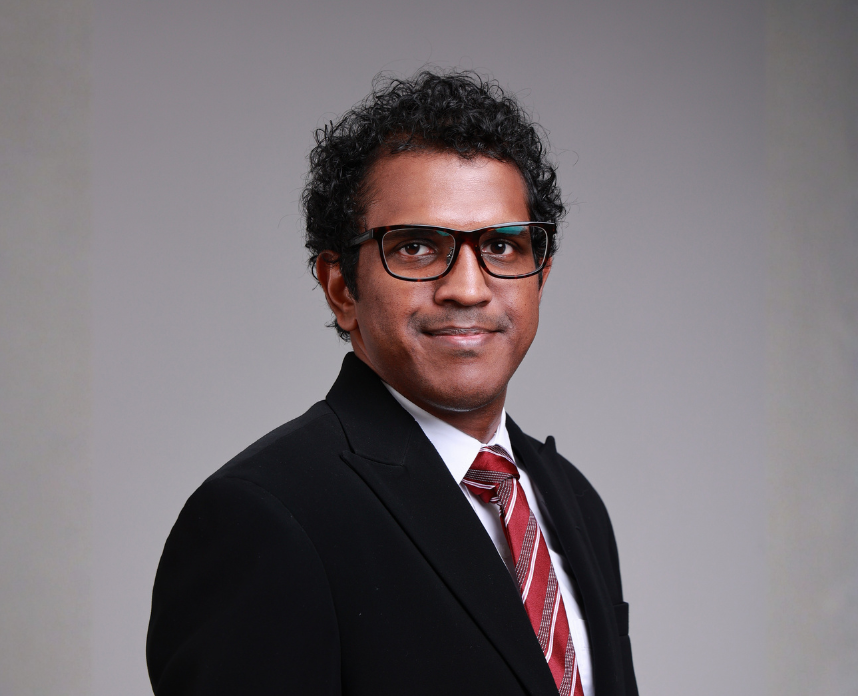


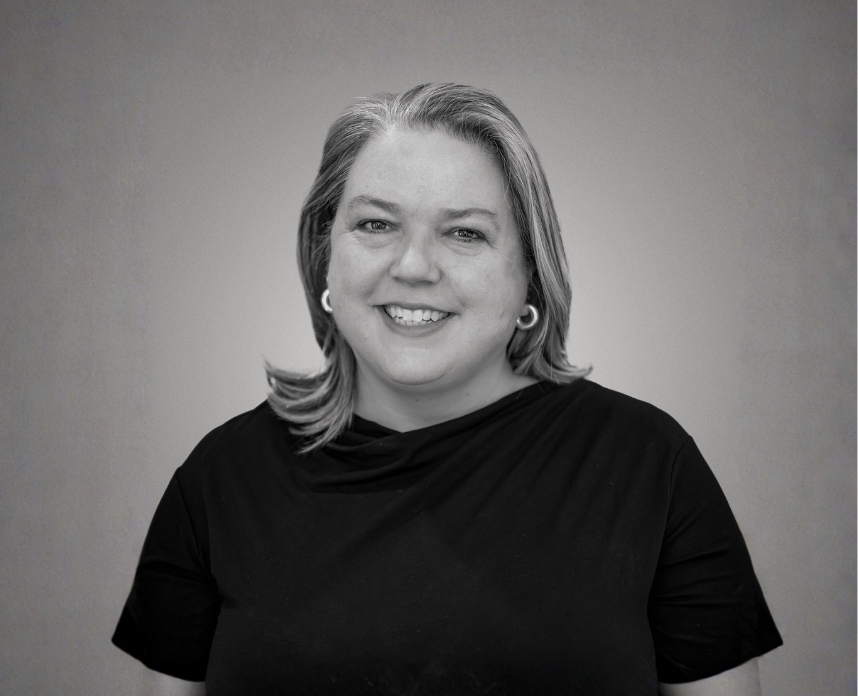
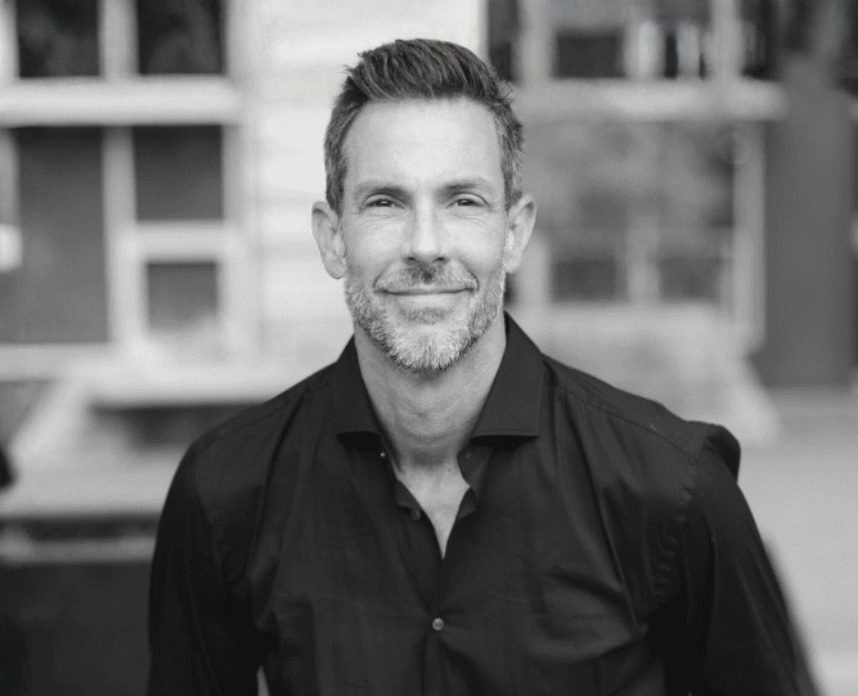
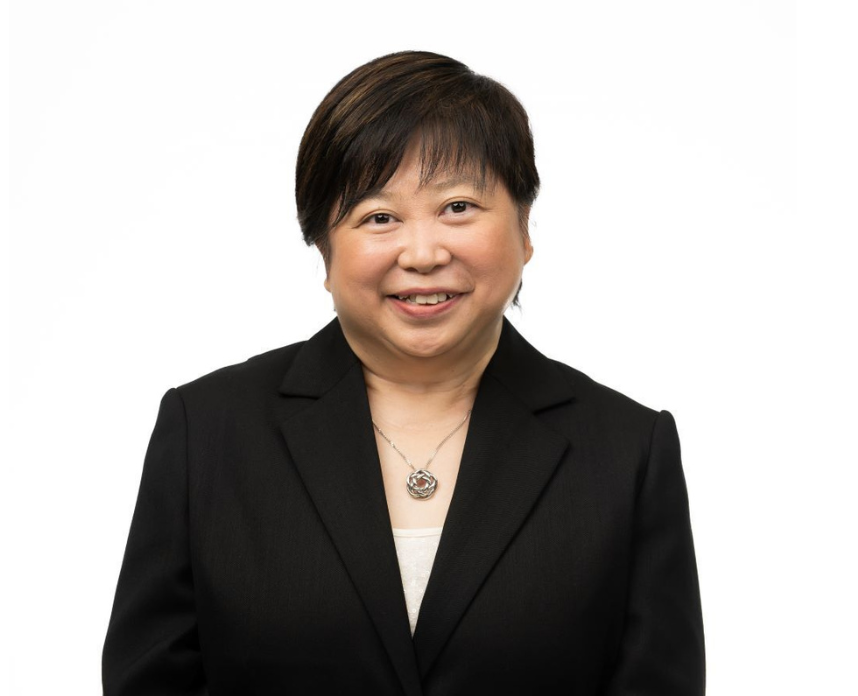
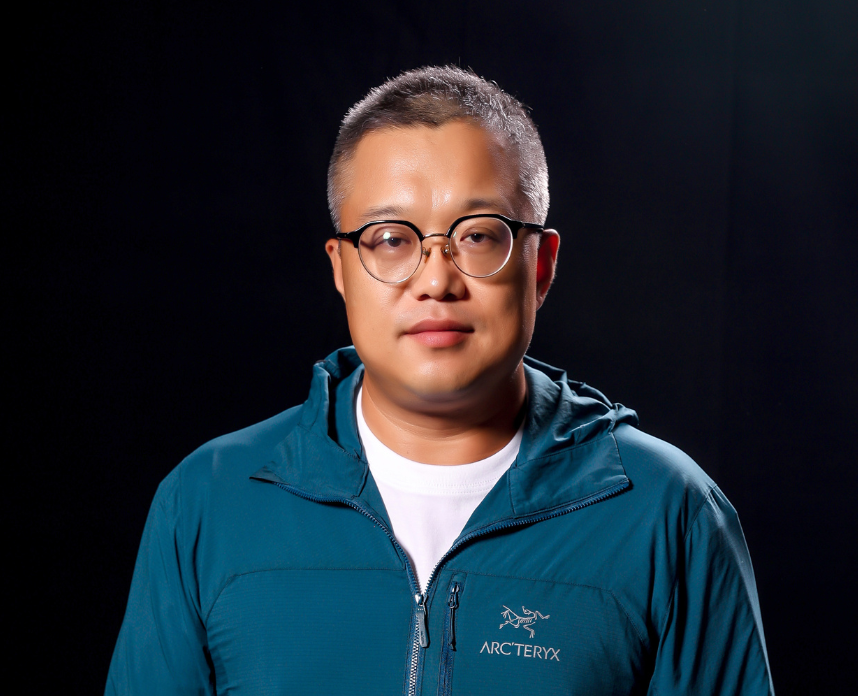

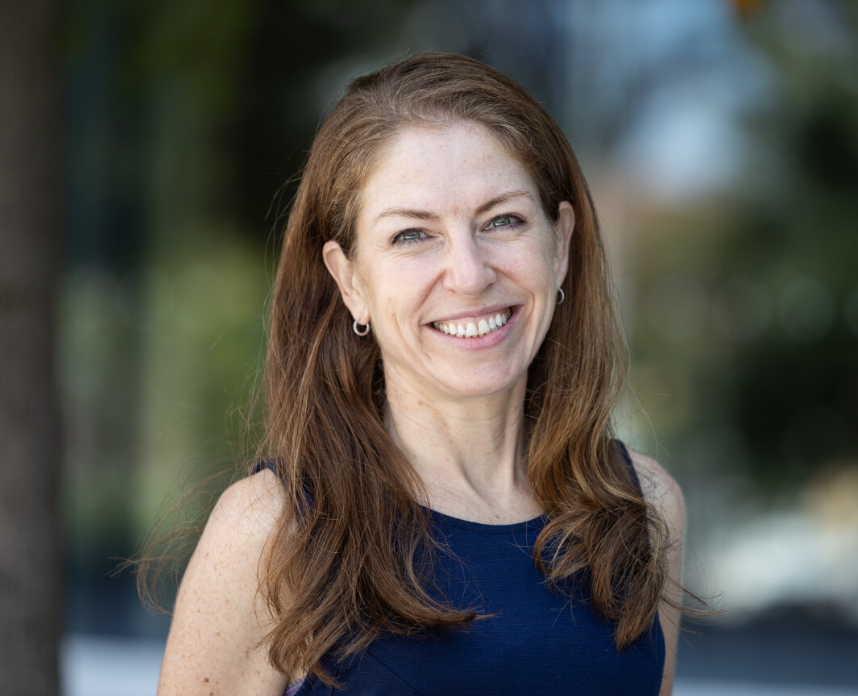
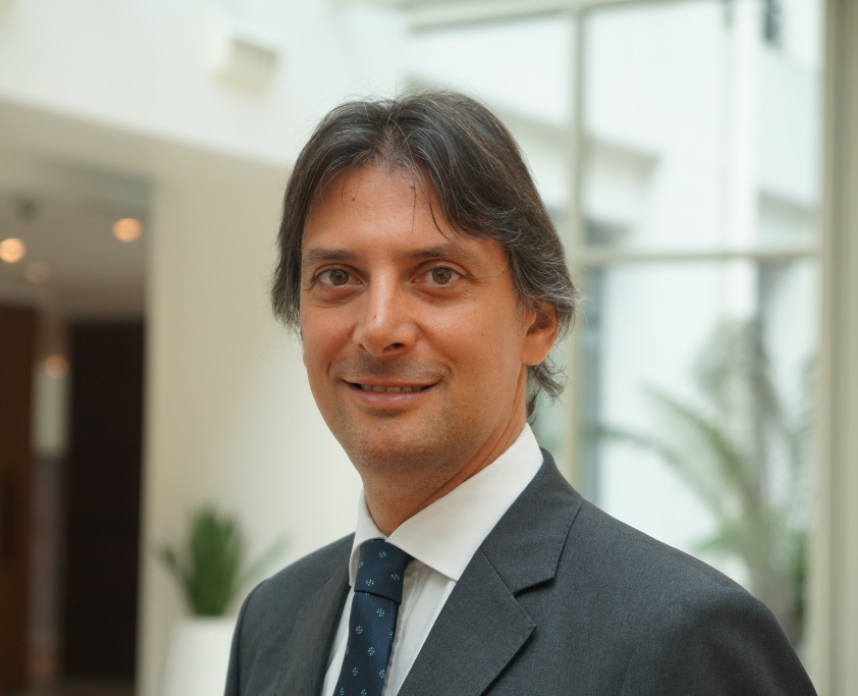
.png?sfvrsn=1cbe3eb6_1)

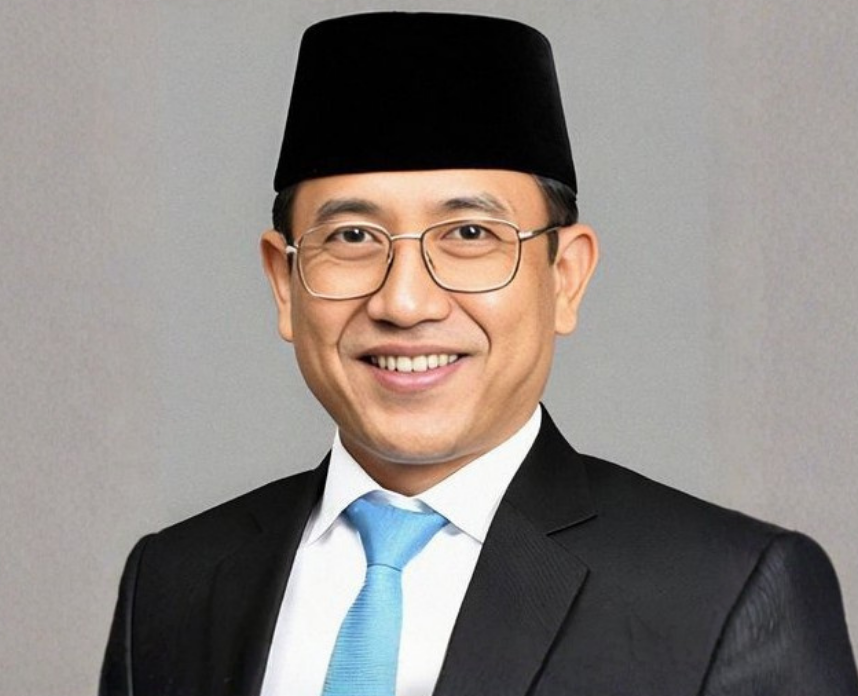
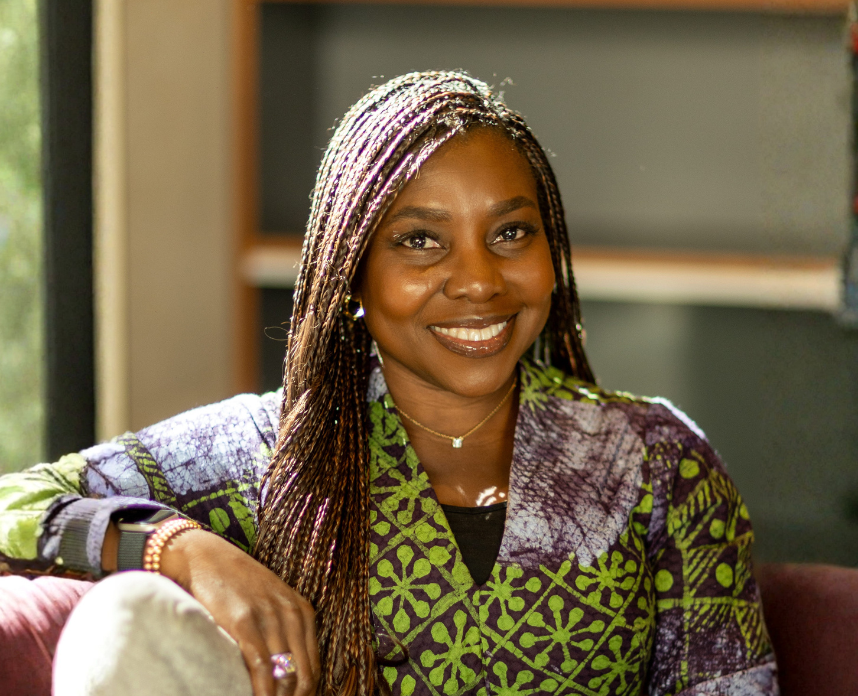
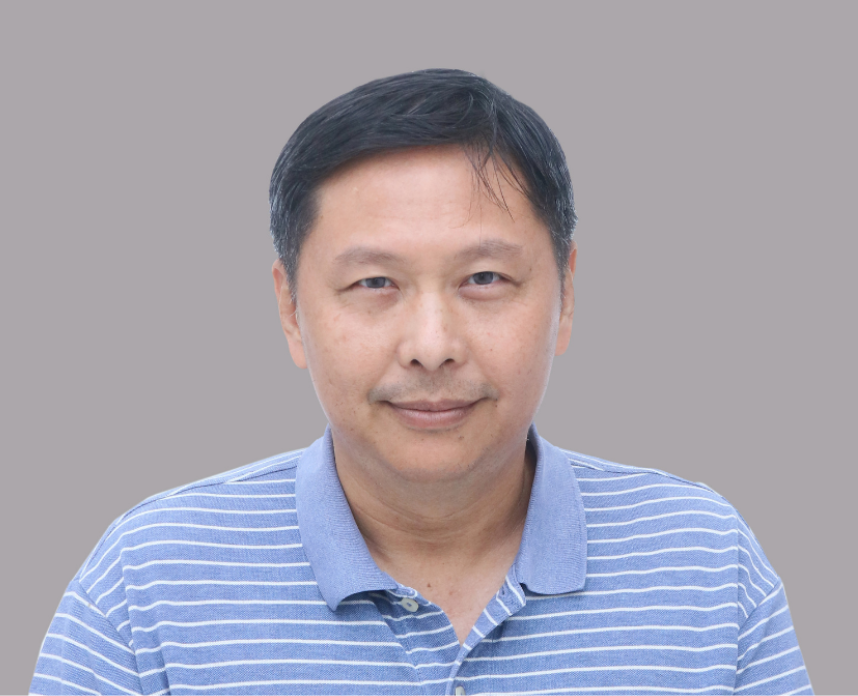
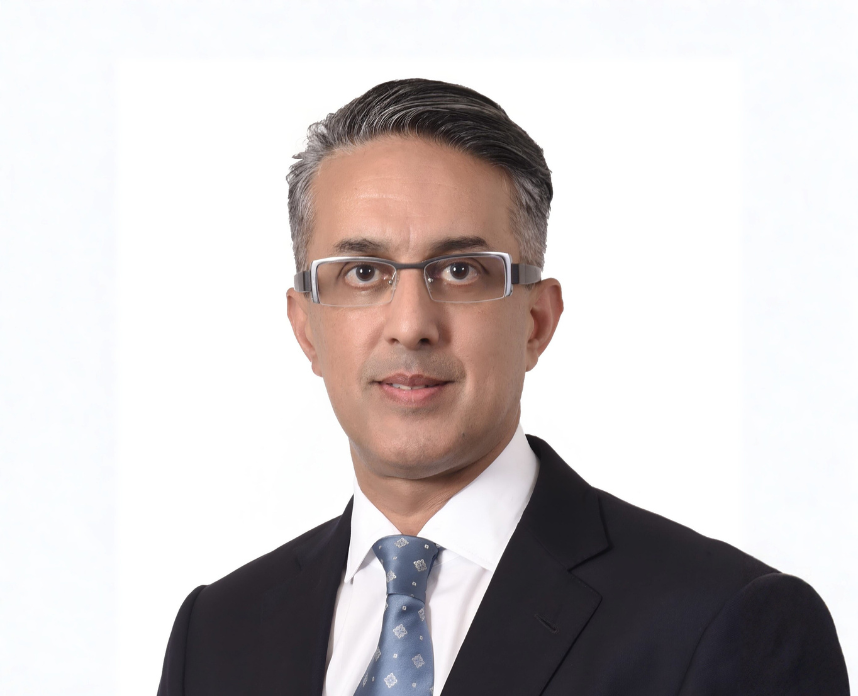
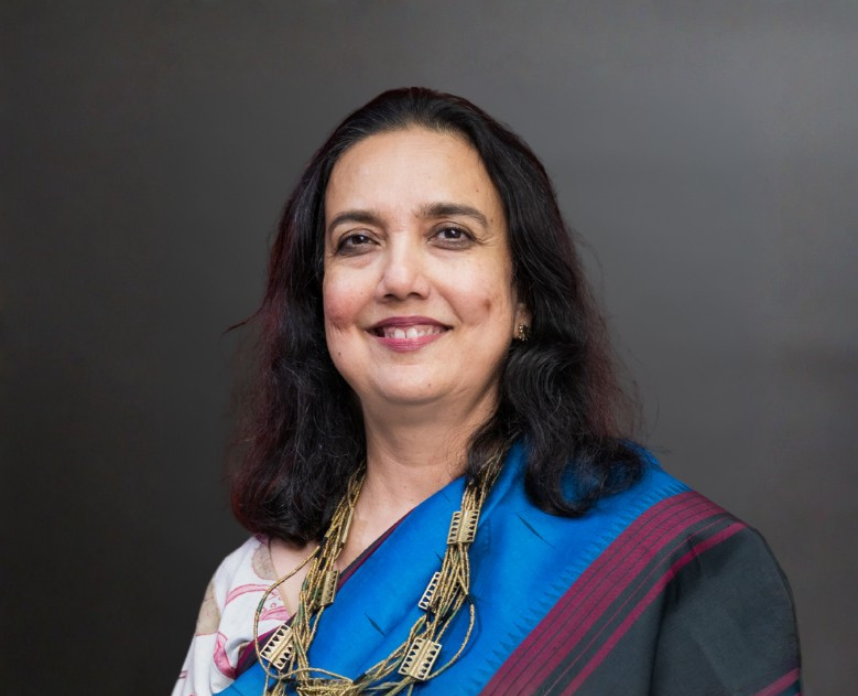
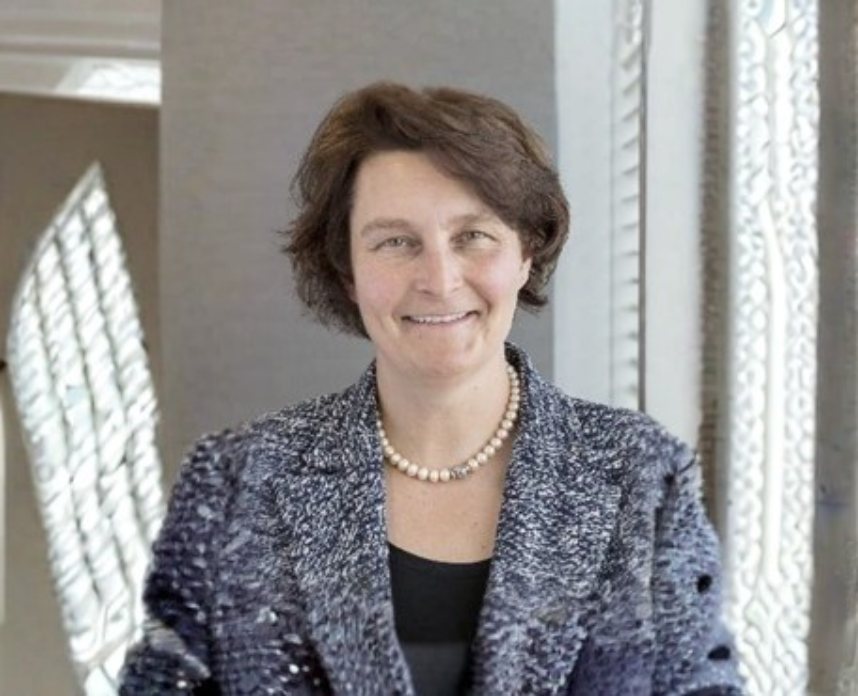
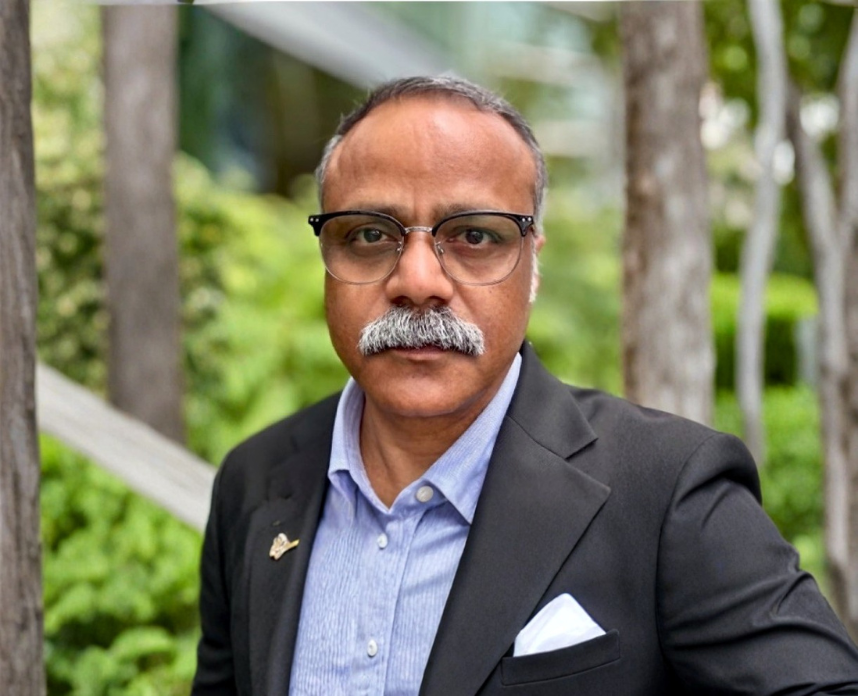
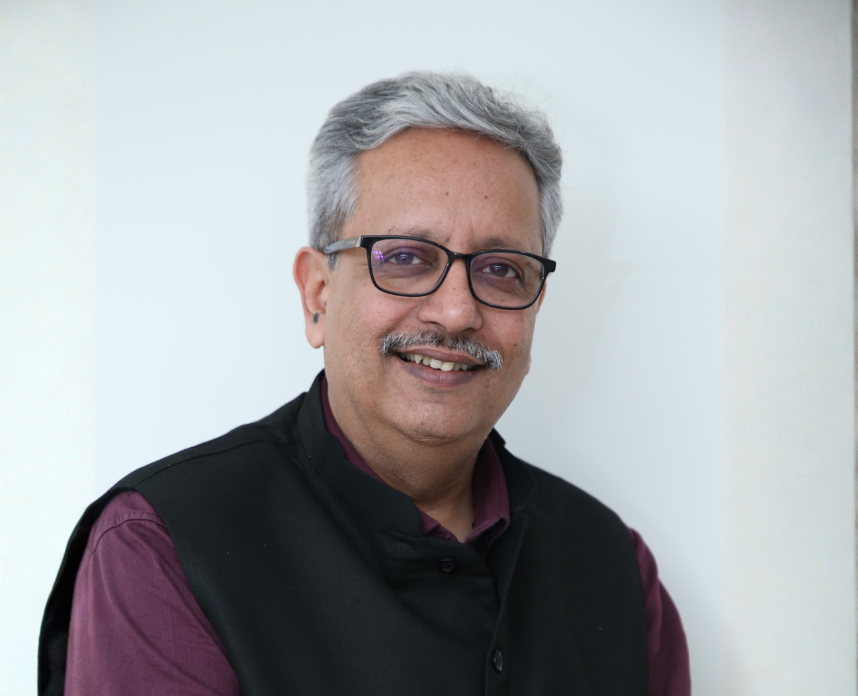
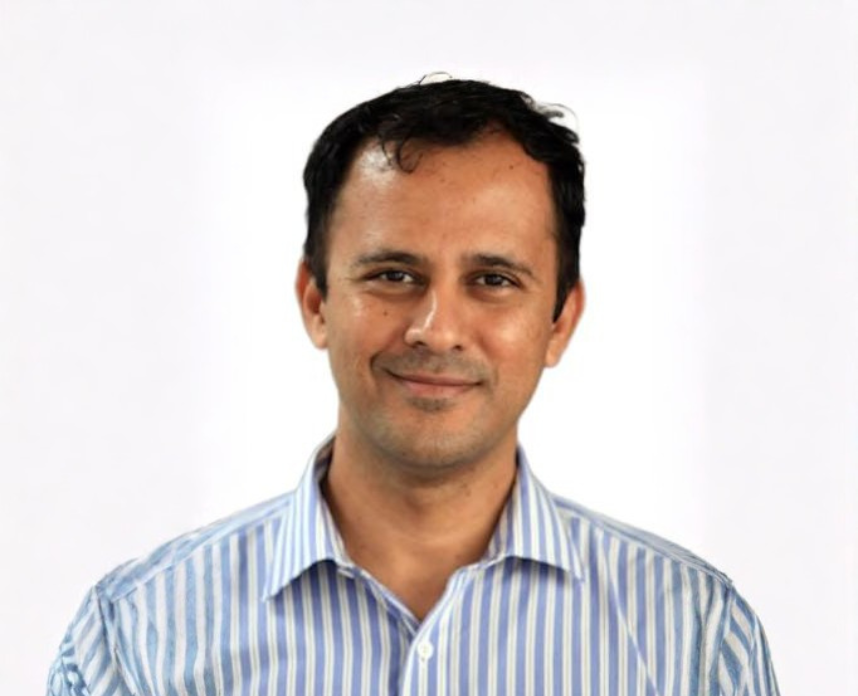
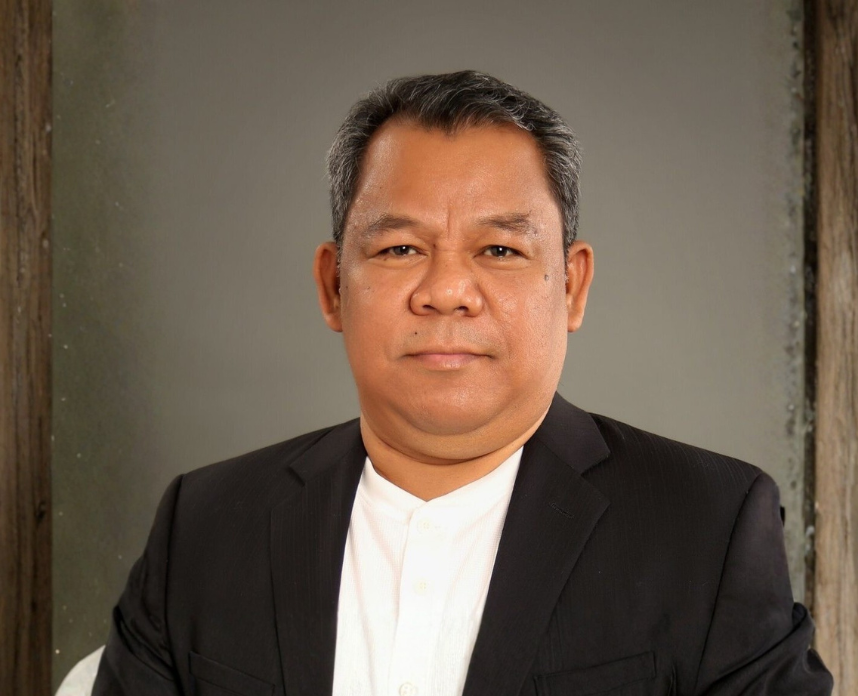
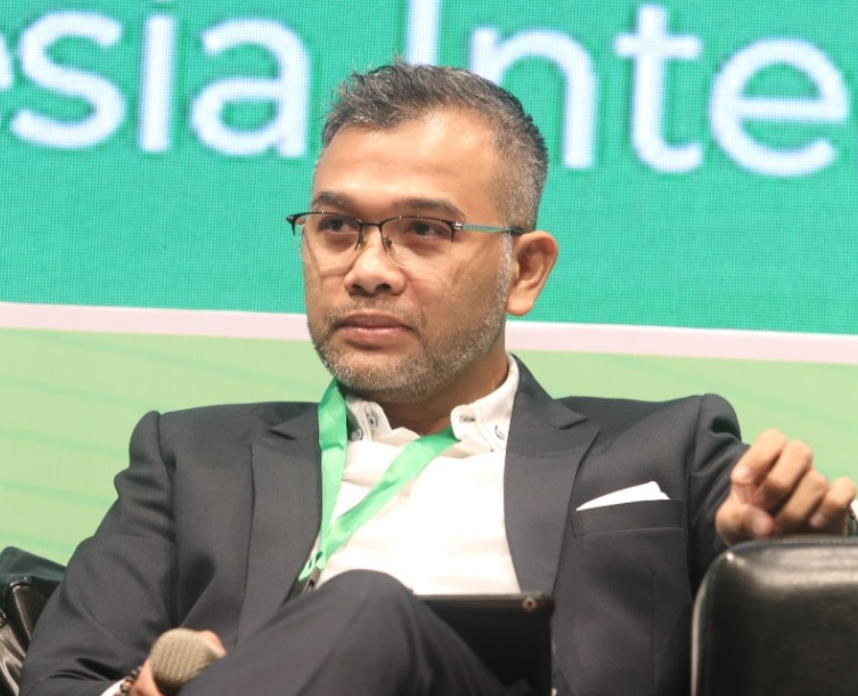
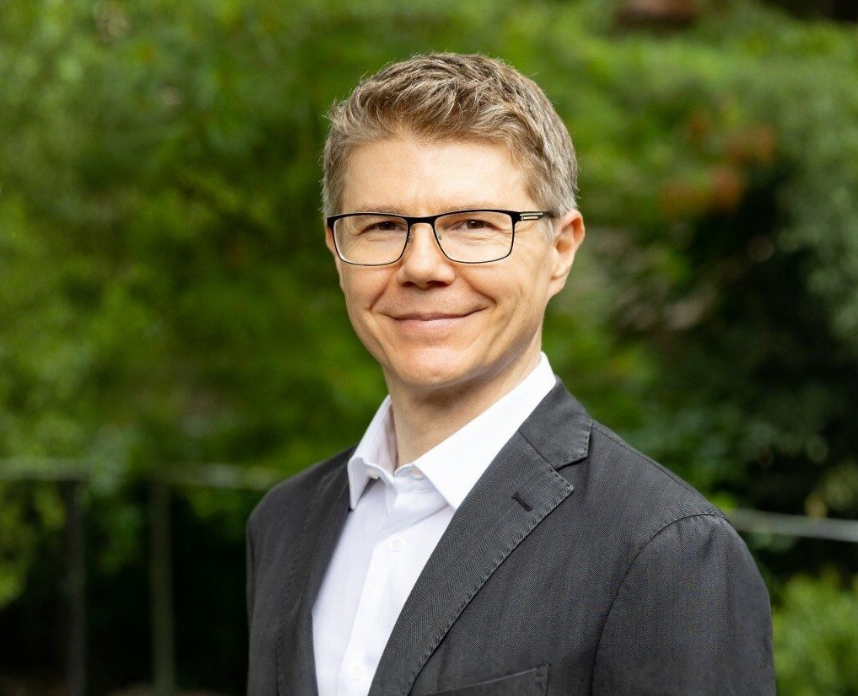






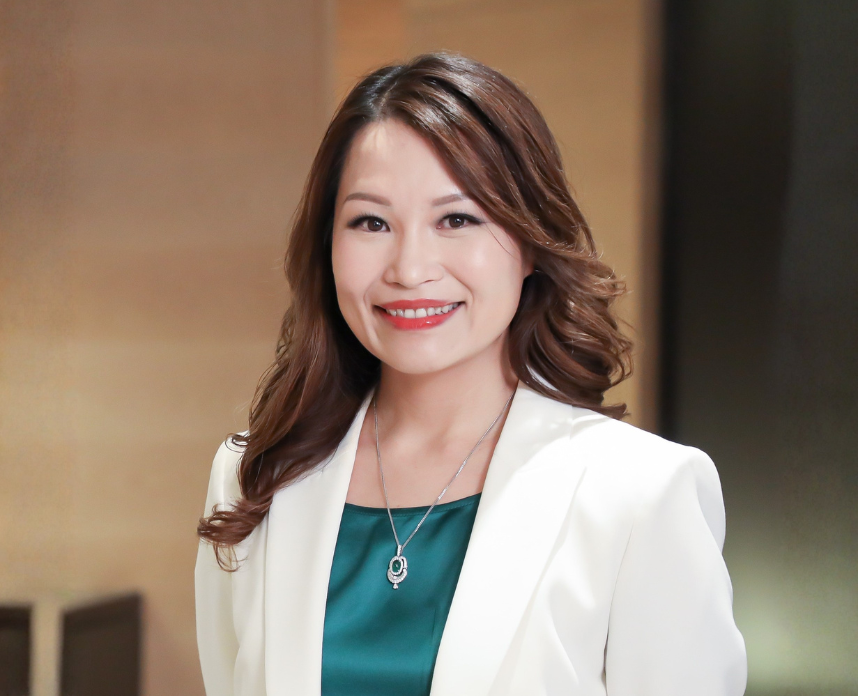
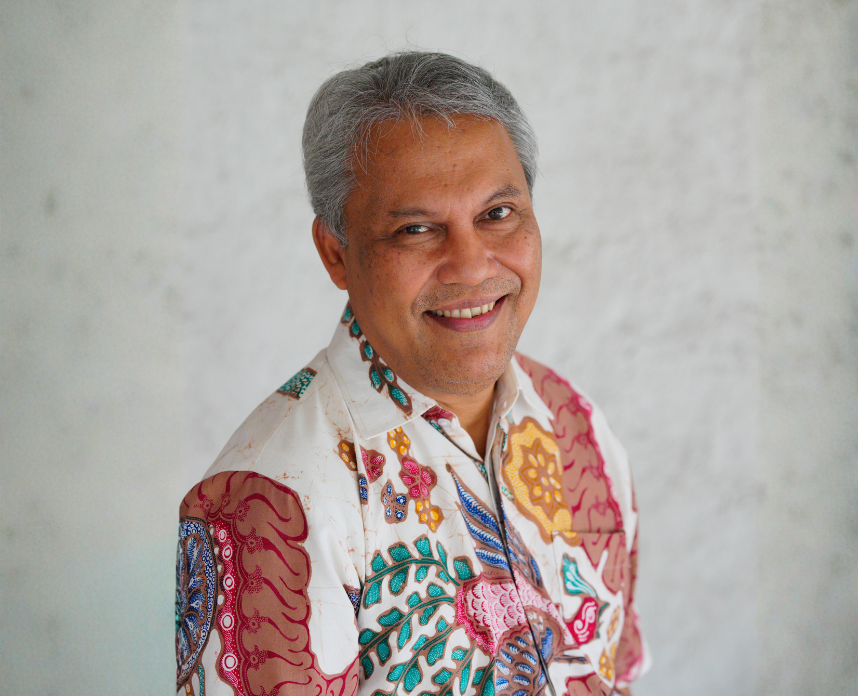
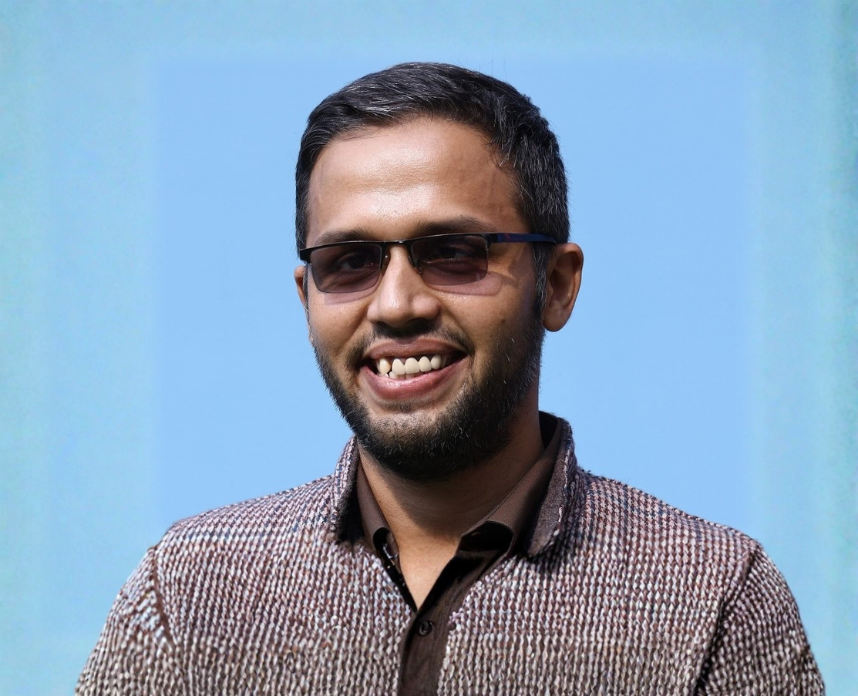
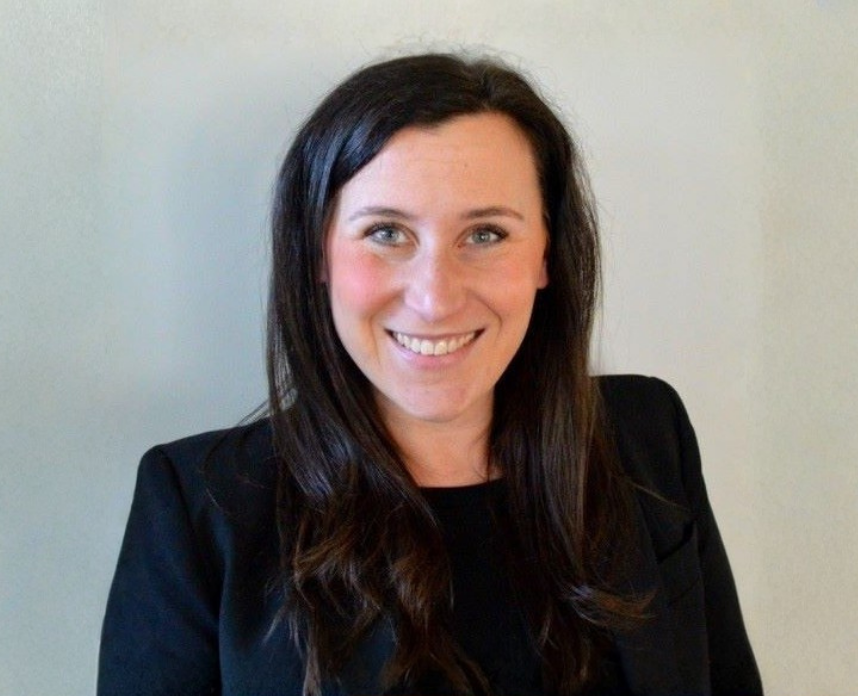




 17:30 - 20:30
Closed-door event
17:30 - 20:30
Closed-door event
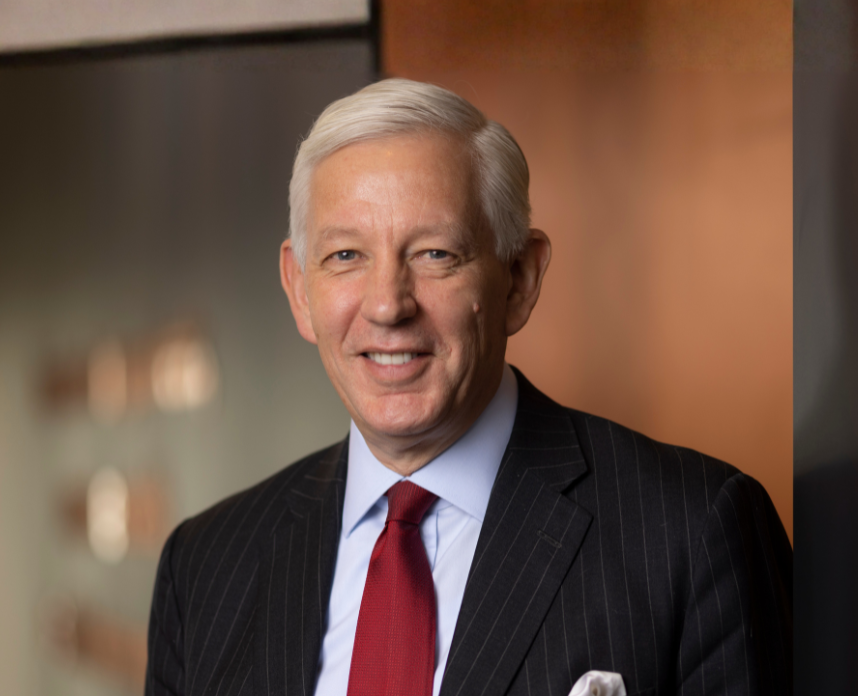
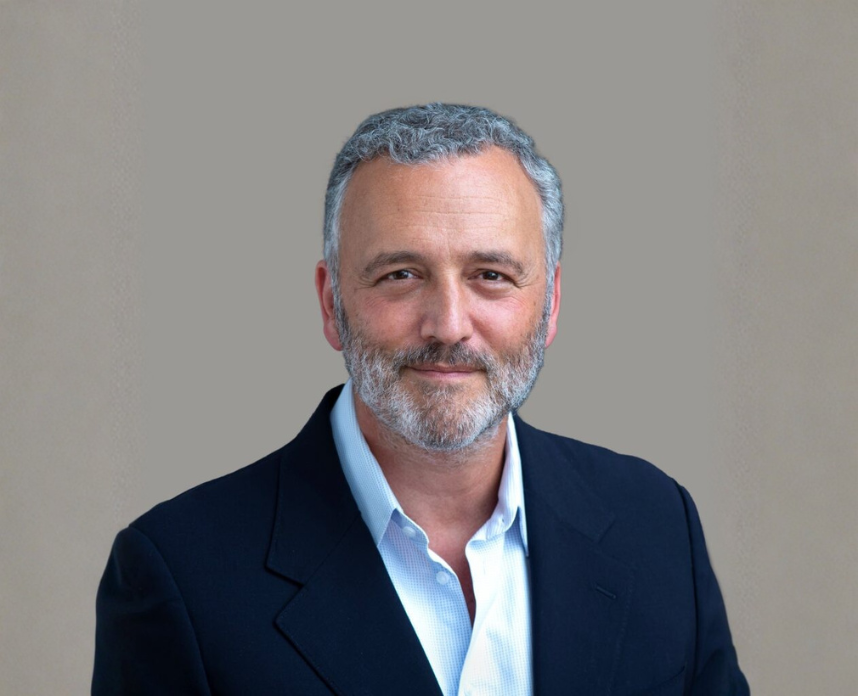
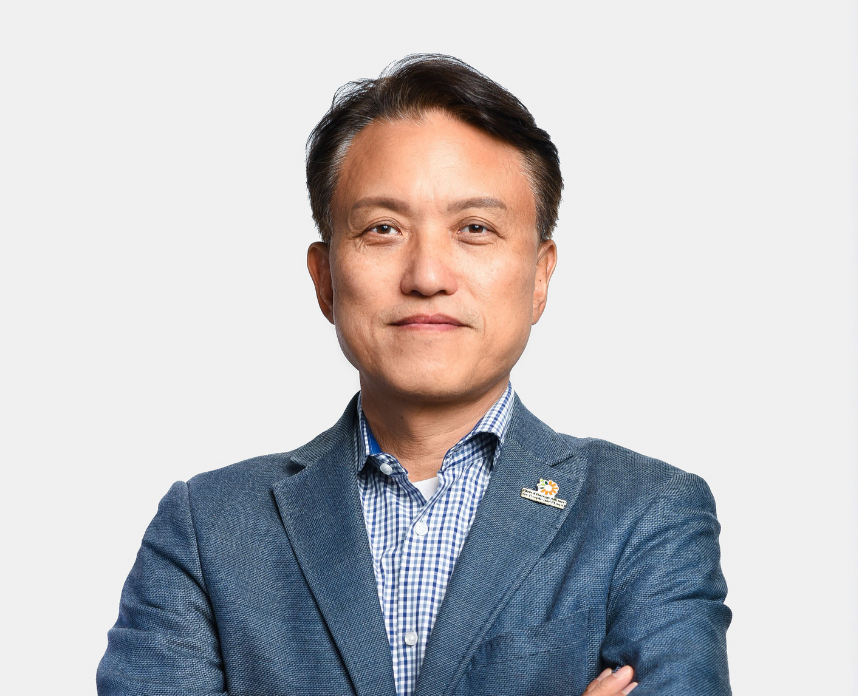
The sixth Philanthropy Asia Summit opens the evening before with a private gathering for members, partners, and speakers. Housed within the iconic Temasek Shophouse, a century-old heritage building in the heart of Singapore, the reception brings the community together for an opening address by Desmond Kuek, CEO of Temasek Trust, followed by dinner, conversation, and entertainment.
09:00 - 15:50
Level 4, Roselle-Simpor Ballroom
Asia's role in shaping practical responses to Climate, Health, and Inclusive Development challenges depends on how well it can galvanise coordination across sectors. Public, private, and philanthropic leaders each bring distinct strengths, and progress emerges when those strengths align around shared priorities.
The plenary convenes these leaders to move from sector-specific insights towards systemic implementation. Through keynotes, panels, and showcases, the plenary sessions will examine how capital and collaboration drive outcomes at scale, and how philanthropy can work alongside government and business to turn dialogue into delivery.
09:20 - 09:35
Level 4, Roselle-Simpor Ballroom
09:35 - 09:50
Level 4, Roselle-Simpor Ballroom
09:50 - 10:20
Level 4, Roselle-Simpor Ballroom
Climate change is reshaping disease patterns across Asia in ways that demand coordinated intervention. Antimicrobial resistance, vector-borne diseases, pandemic risks, and heat stress are all intensifying, and the region's density and interconnectedness make it particularly exposed.
10:40 - 11:00
Level 4, Roselle-Simpor Ballroom
11:00 - 11:15
Level 4, Roselle-Simpor Ballroom
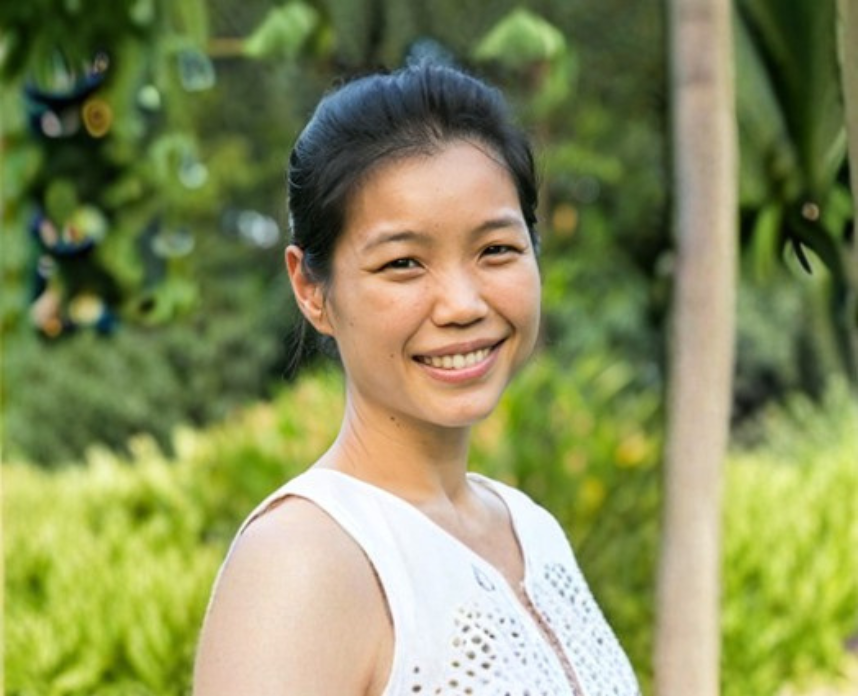
Good health does not begin at birth. Drawing on the Growing Up in Singapore Towards healthy Outcomes (GUSTO) study, this keynote makes the case for investing earlier, and further back in the family, to give every child the conditions they need to thrive.
11:15 - 11:45
Level 4, Roselle-Simpor Ballroom
Wellbeing is a lifelong arc, shaped by support at critical moments along the way. Early childhood lays the foundation for future potential, while later years reveal whether communities can build on that foundation under societal stresses such as urban isolation and rising toll on mental health.
The session explores how public, private, and philanthropic partners can better support underserved communities across Asia, with a focus on the earliest and later stages of life.
12:15 - 13:30
Level 4, Roselle-Simpor Ballroom
13:30 - 14:00
Level 4, Roselle-Simpor Ballroom
Public leadership is most powerful when it shapes the conditions that allow others to act. By setting clear direction, aligning institutions, and sustaining policy confidence over time, governments enable markets and philanthropic capital to move at scale.
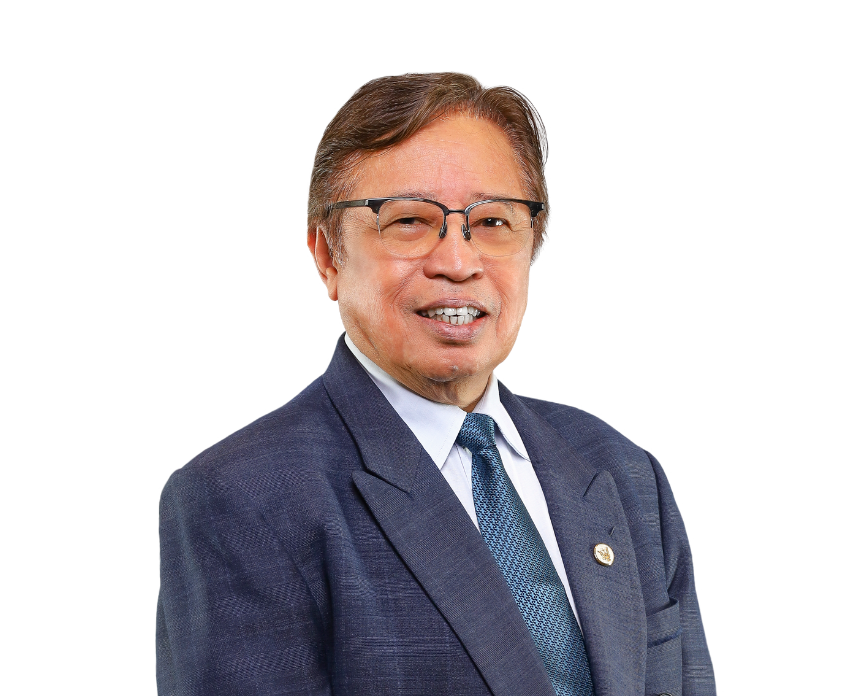
In this keynote, Premier Abang Johari draws on Sarawak's own experience in advancing economic development while reducing carbon intensity and how policy alignment, cross-border clean energy cooperation, and long-horizon capital can work together to accelerate green prosperity.
From renewable energy partnerships and hydrogen strategy to community energy access and carbon market development, the discussion on Sarawak's journey highlights why growth and sustainability are not competing priorities, but mutually reinforcing pathways for the region’s future.
14:00 - 14:15
Level 4, Roselle-Simpor Ballroom
Energy and food systems sit at the center of Asia's growth momentum. How the region produces power and cultivates food over the coming decades will shape its competitiveness, resilience, and environmental footprint, with consequences reaching far beyond its borders.
The session explores pathways for a more distributed and just energy transition alongside sustainable food production that reduces strain on natural resources. The focus is on how capital, partnerships, and coordination can translate these connected shifts into outcomes at scale.
14:15 - 14:45
Level 4, Roselle-Simpor Ballroom
Energy and food systems sit at the center of Asia's growth momentum. How the region produces power and cultivates food over the coming decades will shape its competitiveness, resilience, and environmental footprint, with consequences reaching far beyond its borders.
The session explores pathways for a more distributed and just energy transition alongside sustainable food production that reduces strain on natural resources. The focus is on how capital, partnerships, and coordination can translate these connected shifts into outcomes at scale.
15:05 - 15:50
Level 4, Roselle-Simpor Ballroom
Philanthropy is evolving as the challenges it addresses become more systemic and responses require working across sectors and geographies. Long-standing arrangements between public, private, and philanthropic spheres are giving way to new forms of collaboration.
Leaders from Asia, the Middle East, and the United States join for a candid dialogue on how the field is evolving. The discussion draws on personal journeys to explore what leadership looks like when collaboration defines how to drive lasting change.
16:00 - 17:30
Level 4, Roselle-Simpor Ballroom
07:30 – 08:15
Level 3, Sands Expo and Convention Centre
Start the day with a 45-minute movement session. Set against the Singapore skyline, the class blends grounding sequences with intuitive movement to ease jet lag, sharpen focus, and reset the body after long travel or a demanding first day of conversations. A refreshed start before PAS Day 2 gets underway. Held indoors, with equipment provided. Conference attire works perfectly, no change of clothes required.
07:30 - 09:00
Level 4, Sands Expo and Convention Centre
Anchored by Centre for Asian Philanthropy and Society (CAPS)
This breakfast session will launch a new report exploring how Asian philanthropists can deploy their resources as risk capital — funding that embraces uncertainty to unlock significant social impact. The session aims to raise awareness of risk capital as a viable path to impact, inform Asian philanthropists on how to deploy it effectively, and inspire funders with the opportunities that bold, catalytic giving can unlock.
The session will open with a presentation of key report findings, followed by a moderated panel discussion featuring funders and recipients from across Asia who have pioneered approaches to maximising philanthropy as risk capital.
07:30 - 09:00
Level 4, Sands Expo and Convention Centre
Anchored by Smithsonian Tropical Research Institute
Asia contains some of the planet’s most biodiverse and ecologically significant regions, from expansive tropical forests to nearly one third of the world’s coral reefs, mangroves, and seagrass ecosystems. Because of this extraordinary natural wealth, the region will play a crucial role in meeting global goals related to carbon neutrality, biodiversity conservation, and long-term climate resilience. Scaling effective nature-based solutions require rigorous scientific research, strong cross-sector partnerships, sustained investment, and trusted data systems that support informed decision-making and reduce risk for funders and policymakers.
09:30 - 11:00
Closed-door event
Anchored by Society of Entrepreneurs and Ecology Foundation (SEE Foundation), TPC (Tsao Pao Chee) & NO.17 Foundation
08:30 - 13:00
Level 4, Sands Expo and Convention Centre
Anchored by The Rockefeller Foundation, Temasek Trust & Oppenheimer Project
10:00 - 11:00
Closed-door event
Anchored by Golden Philanthropies
10:00 – 14:00
Level 4, Roselle-Simpor Ballroom
Held as part of the Innovation Showcase, the Innovation Spotlight is a curated session that convenes over 30 innovators, startups, and social enterprises advancing solutions across climate, health, and inclusive development.
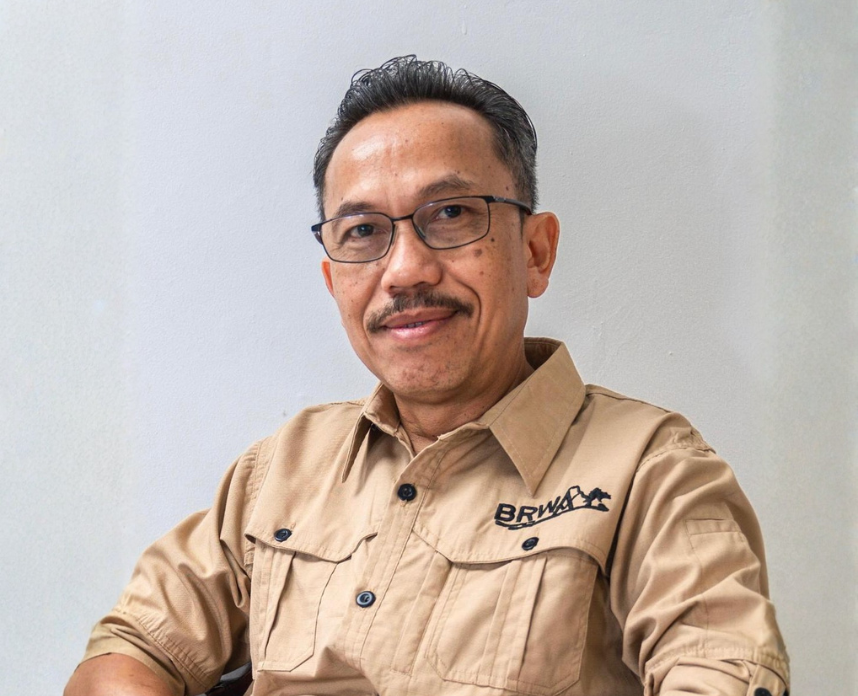
Bringing together partners and organisations from across the global impact ecosystem, the Innovation Spotlight highlights cutting-edge approaches, technologies, and models that are translating innovation into real-world impact, featuring keynote sessions from Tencent, Google Deepmind, and BRIN (Indonesia’s National Research and Innovation Agency).
View the detailed agenda in the programme booklet here.
11:00 – 12:00
Level 4, Sands Expo and Convention Centre
Anchored by Tanoto Foundation
11:00 – 12:00
Level 4, Sands Expo and Convention Centre
Anchored by Tech for Good Institute & Ant International Foundation
Southeast Asia is characterised by exceptional generosity, anchored in long-standing cultural traditions such as gotong-royong (mutual assistance) and bayanihan (communal cooperation), as well as the region’s diverse religious traditions. Yet the region faces a striking paradox: the gross transaction value of digital payments is forecast to reach between USD 2.1 and 2.4 trillion by 2030, and 71% of the population frequently uses digital payments for goods, yet digital payments for ‘good’ still lag significantly.
This ‘digital giving paradox’ suggests that the issue is not technology itself, but persistent barriers, including trust deficits, regulatory constraints, capacity gaps in the nonprofit sector, and behavioural frictions. In this session, the Tech for Good Institute (TFGI), with funding from the Ant International Foundation (AIF) will launch its exploratory study titled "From Payment for Goods to Payment for Good: Digital Giving in Southeast Asia." The report maps the digital giving landscape across the region, identifies barriers and enablers, and offers actionable recommendations for nonprofits, donors, and regulators.
11:00 – 12:00
Level 4, Sands Expo and Convention Centre
Anchored by Global Energy Alliance for People and Planet
Asia accounts for nearly half of global emissions and is projected to drive most future energy demand, making its energy transition critical to global climate outcomes. For this transition to succeed, it must also deliver livelihoods, resilience, and inclusive growth, especially in rural, island, and peri-urban communities where unreliable energy access continues to limit opportunity.
Community-based clean energy solutions can provide affordable, reliable power where people live and work, enabling productive uses such as irrigation, cold storage, and small enterprises. Yet these projects often struggle to access conventional financing due to their small scale and dispersed nature.
Co-hosted by The Sunrise Project, AVPN, Tri-sector Associates, and the Global Energy Alliance for People and Planet, this session will explore how innovative financing, catalytic capital, and cross-sector partnerships can unlock scale. The discussion will focus on accelerating clean energy solutions in Asia, while keeping communities and sustainable livelihoods at the center.
11:00 – 12:00
Level 4, Sands Expo and Convention Centre
Anchored by The Nippon Foundation
12:00 - 13:30
Level 4, Sands Expo and Convention Centre
Anchored by Apparel Impact Institute & HSBC
Apparel supply chains face growing financial exposure from climate-related cost pressures, particularly across energy systems, carbon regulation, and raw material volatility. Yet while the business case for supplier decarbonisation is becoming clearer, many projects still struggle to secure financing at the pace and scale required.
This session, co-hosted by Apparel Impact Institute and HSBC, will build on the findings of Aii’s recent Cost of Inaction (COI) report to explore how supplier decarbonisation can become more bankable across Asia’s manufacturing hubs. The discussion will focus on practical financing pathways to accelerate renewable energy, electrification, and other proven solutions at supplier level, with particular attention to blended capital approaches that combine philanthropic, concessional, and commercial finance.
12:15 - 13:15
Level 4, Sands Expo and Convention Centre
Scientific breakthroughs reach communities when the partnerships, funding, and pathways to scale are in place. Without these, even the most promising innovations risk delivering proof of concept rather than proof of impact.
Scientists, innovators, and thought leaders take the stage to share how their work is making a difference today. From coral restoration and carbon sequestration to AI-enabled healthcare, the conversation explores what it takes to move science into practice across Asia.
13:00 - 14:00
Closed-door event
ESG has entered a new phase. Early ambitions around climate action and social equity set important direction, and the focus now is on translating those commitments into measurable outcomes that hold up to scrutiny.
This intimate session brings together business leaders to examine what a more focused and credible approach for ESG looks like. The discussion will unpack why ESG 1.0 fell short and explore how a more focused, credible, and outcomes driven approach can re-energise ESG as a source of innovation, resilience, and long-term value creation.
This session is held under the Chatham House Rule.
14:00 – 15:00
Level 4, Sands Expo and Convention Centre
Anchored by Tara Climate Foundation, Bloomberg Philanthropies, Global Energy Alliance for People and Planet, and the Just Energy Transition Community
Across Asia, the growing urgency around energy is laying bare just how foundational energy has always been — to every outcome that matters. As pressure builds across Asia's energy systems, the reach into everyday life grows: the farmer who can't store or process her harvest, the fisher whose catch spoils before it reaches market, the student who can't study after dark.
14:00 – 15:00
Level 4, Sands Expo and Convention Centre
Anchored by Global Center for Asian Women's Health, NUS Yong Loo Lin School of Medicine
Women’s health is one of the most underinvested yet high-impact frontiers in global health and economic development. Despite women representing half of the global population and driving the majority of healthcare decisions, significant gaps persist across research, funding, and innovation, limiting both health outcomes and economic potential.
In Asia, these challenges are particularly acute. The region is experiencing a rising burden of conditions such as infertility, gestational diabetes, cancer, and age-related diseases, yet investment and innovation have not kept pace. Even in advanced health systems, disparities remain: for example, women live longer than men but spend a greater proportion of their lives in poor health. At the same time, critical gaps in sex-disaggregated data and lifecycle-based research continue to constrain the development of effective, targeted solutions.
14:00 – 15:00
Closed-door event
Anchored by Children's Investment Fund Foundation (CIFF)
14:00 – 15:00
Level 4, Sands Expo and Convention Centre
Anchored by HSBC
This focused session explores how catalytic capital, creative financing, partnerships, and region-specific resources can unlock high-impact climate solutions across Southeast Asia’s hardest-to-abate sectors. Through short, practical presentations and a solutions-oriented panel, audience members will gain actionable insight into attracting early-stage climate companies, capital-stack design, nature-based opportunities, and structures that de-risk and scale climate projects in the region. The program highlights real-world examples and pathways to mobilize additional private and corporate capital alongside government momentum.
14:00 – 15:00
Level 4, Sands Expo and Convention Centre
Anchored by Asia Community Foundation
14:30 – 15:45
Level 4, Sands Expo and Convention Centre
Anchored by DBS Foundation
16:00 – 17:00
Level 4, Sands Expo and Convention Centre
Anchored by Temasek Foundation
16:00 – 17:00
Level 4, Sands Expo and Convention Centre
Anchored by Sattva Consulting
16:00 – 17:00
Level 4, Sands Expo and Convention Centre
Anchored by CapitaLand Hope Foundation
16:00 – 17:00
Level 4, Sands Expo and Convention Centre
Anchored by PATH
16:00 – 17:00
Level 4, Sands Expo and Convention Centre
Anchored by Tenure Facility
This session presents Tenure Facility's partnerships-for-tenure approach and explores how Indonesia is advancing a scalable model for climate action by aligning Indigenous tenure, public policy, and catalytic capital. Through the recognition of customary forests (Hutan Adat), a coalition of government, Indigenous organisations, philanthropy, and private sector actors is demonstrating how rights-based approaches can deliver measurable climate and biodiversity outcomes.
Rather than focusing on individual projects, the discussion will examine how to build systems that enable finance to flow at scale—linking policy reform, institutional capacity, and long-term investment. Speakers will share lessons on structuring partnerships, mobilising capital, and translating local leadership into nationally significant impact.
16:15 – 17:15
Level 4, Sands Expo and Convention Centre
Anchored by Wellcome
16:00 – 17:15
Closed-door event
Anchored by Google DeepMind Impact Accelerator
16:00 – 17:30
Level 4, Sands Expo and Convention Centre
Anchored by AVPN
Capital for climate adaptation and resilience in Asia is not short on interest; it is short on execution. Despite growing attention to catalytic capital, few adaptation and resilience transactions in the region reach financial close. A missing middle persists: opportunities like sub-national climate-resilient water infrastructure, nature-based solutions platforms, or climate-smart agricultural value chains that are too large for grant funding, but not yet structured or de-risked enough for commercial capital. In practice, there are limited mechanisms to translate these opportunities into viable capital stacks and align the right partners around them.
07:15 - 08:30
Closed-door event
Anchored by Builders Vision Philanthropy & Ocean Risk and Resilience Action Alliance
07:30 - 09:00
Closed-door event
Anchored by Asia Philanthropy Circle, AVPN & Temasek Trust
Against this backdrop, Asia’s diverse societies retain distinctive strengths, including intergenerational orientation and traditions that emphasise collective wellbeing. The session will examine why linear, siloed, project-based approaches are no longer sufficient, and instead consider a new development logic grounded in systems thinking and portfolio approaches to navigate uncertainty and enable more inclusive, adaptive transitions across societies.
09:00 - 10:00
Closed-door event
Anchored by TPC (Tsao Pao Chee) & Dalio Philanthropies
As the global ocean agenda evolves, there is growing recognition that the challenges facing our oceans—ranging from biodiversity loss and climate impacts to livelihood vulnerabilities—are deeply interconnected and systemic in nature. Addressing these challenges will require not only strong individual initiatives, but more coordinated approaches that bring together science, capital, policy, and communities.
Over the past few years, a strong foundation has been built through collaborative efforts across philanthropy, research institutions, and ecosystem partners, including the development of co-funded initiatives and regional programmes across Southeast Asia. At the same time, this moment presents an opportunity to reflect more broadly:
What does it take to move from a collection of ocean initiatives to a more integrated approach to ocean systems?
This closed-door roundtable is designed to bring together a curated group of partners, funders, and ecosystem leaders to explore this next horizon—while also marking key milestones, including the introduction of new members and the next slate of co-developed initiatives.
10:00 - 11:00
Level 4, Sands Expo and Convention Centre
Anchored by Worldwide Initiatives for Grantmaker Support (WINGS)
Times of polycrises require responses that cross borders and sectors. Philanthropic networks play a distinctive role in enabling these interventions, connecting local insight with global coordination and unlocking resources that flow where they are needed most.
This session brings together leaders of global philanthropic networks to examine how ecosystem-based approaches can strengthen collaboration across regions. Drawing on WINGS’ cross-regional insights from Africa, Asia, and Latin America, the discussion explores how partnerships can unlock investment, foster innovation and amplify impact at scale.
10:30 – 12:00
Level 4, Sands Expo and Convention Centre
Anchored by Boston Consulting Group
11:00 – 12:00
Level 4, Sands Expo and Convention Centre
Anchored by Ocean Risk and Resilience Action Alliance
11:00 – 12:00
Level 4, Sands Expo and Convention Centre
Anchored by Asia Centre for Changemakers
11:00 – 12:00
Closed-door event
Anchored by AVPN
11:00 – 12:00
Level 4, Sands Expo and Convention Centre
Anchored by Temasek Foundation
11:00 – 12:00
Closed-door event
Anchored by FAST-P
11:30 - 13:00
Level 4, Roselle-Simpor Ballroom
This session looks beyond the conversations of the past three days toward what the field can build together, drawing on lessons and insights from across the world. Leading Asian voices will come together to uncover how Chinese philanthropic actors conceptualise impact and broaden understanding of how diverse pathways can contribute effectively to inclusive and sustainable development across contexts. Speakers will examine how national development goals and long-term socioeconomic priorities shape, or are shaped by, philanthropic practice in reality. The audience is also invited to reflect on what China's experience means for global development thinking and which areas offer greatest potential for cross-border collaboration.
Following a panel discussion, a keynote on Chinese innovation and its contribution to global development is followed by a performance celebrating the cultural diversity that defines Asia and this community.
13:30 – 15:00
Closed-door event
Anchored by Gates Foundation & Temasek Foundation
14:00 – 15:00
Level 4, Sands Expo and Convention Centre
Anchored by Ocean Resilience and Climate Alliance
14:00 – 15:00
Level 4, Sands Expo and Convention Centre
Anchored by UNICEF
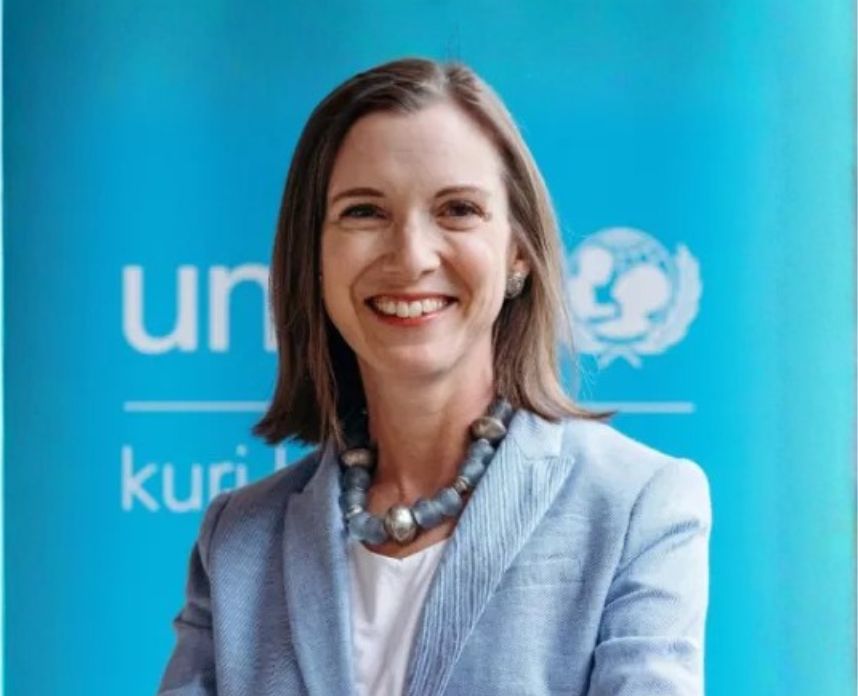
Femtech ventures are the edge of innovation investments to advance health and opportunity for girls and women in Asia and globally. This session will explore how UNICEF’s Femtech Ventures initiative (2025-30), co-designed and supported by Temasek Foundation and partners, catalyses possibility-driven innovation by backing diverse social entrepreneurs in emerging markets with frontier tech solutions for emerging markets. With the Femtech industry projected to reach US$97 billion by 2030, participants will discover how we are making sure it is equitably represented and maximising global social impact. Join us as we showcase pioneering solutions from our inaugural cohort of companies and share overall trends and insights shaping our second year call for applications to launch in 2026.
14:00 – 15:00
Level 4, Sands Expo and Convention Centre
Anchored by The Children’s Investment Fund Foundation (UK)
14:00 – 15:15
Level 4, Sands Expo and Convention Centre
Anchored by Edelman & Caixin Global
As organisations face growing pressure to demonstrate impact, the question is no longer whether impact is happening, but how the story should be told in credible, clear, and trusted ways. While the evidence matters, data alone is not enough. To rally support and catalyse action, organisations must start communicating impact in ways that resonate with funders, partners and the wider public.
In a crowded and skeptical environment, the challenge is no longer simply to prove impact. It is to communicate impact with clarity, rigour, and integrity.
This session brings leaders from communications, media, science, and civil society together to examine what credible impact storytelling demands today: how evidence can be translated into narratives that engage without distorting, where the line sits between persuasion and impact-washing, and what organisations must do to build trust through the stories they tell.
14:00 – 15:15
Level 4, Sands Expo and Convention Centre
Anchored by Delivery Associates
14:00 – 16:00
Closed-door event
Anchored by Dalberg Global Development Advisors & The Rockefeller Foundation
16:00 – 17:00
Level 4, Sands Expo and Convention Centre
Anchored by Asian Development Bank Institute & The Rockefeller Foundation
16:00 – 17:00
Level 4, Sands Expo and Convention Centre
Anchored by Boston Consulting Group
16:00 – 17:00
Level 4, Sands Expo and Convention Centre
Anchored by The Nature Conservancy
The ocean is the world’s largest carbon sink and a $2.5 trillion economic frontier, yet innovation in this space often stalls at the valley of death. The Global Ocean Innovation Challenge (GOIC) was designed to break this cycle.
In this interactive session, we move beyond theory to real-world deployment. Join us to meet three trailblazing startups launching pilots across Asia Pacific, with a view to developing scalable operating models for global application. We will explore three distinct pathways to impact:
Whether you are looking to fund the next breakthrough or integrate ocean-positive solutions into your supply chain, this session provides ideas for engagement. The pilots have launched. The question is: how will they scale?
16:00 – 17:00
Level 4, Sands Expo and Convention Centre
Anchored by 100x Impact
16:00 – 17:00
Level 4, Sands Expo and Convention Centre
Anchored by WHO Foundation
16:00 – 17:00
Level 4, Sands Expo and Convention Centre
Anchored by Pijar Foundation
08:30 - 12:00
Singapore
Building on the conversations at PAS, Impact Journeys offer direct engagement with ground-level initiatives across the Climate, Health, and Inclusive Development tracks. Each experience brings participants closer to the approaches shaping real-world outcomes and highlights where support can make a difference.
08:30 - 11:00
Techlink, Kaki Bukit
Aedes mosquitoes threaten four billion people worldwide with diseases such as dengue, Zika, and chikungunya. Debug, a Google initiative, has spent a decade building solutions to reduce mosquito-borne diseases at scale. Debug combines AI with automated hardware to produce sterile, non-biting male mosquitoes at scale, safely suppressing disease-carrying populations.
The results are transformative. In Singapore, dengue infections dropped 77% in neighborhoods where Debug released its mosquitoes. In Fresno, mosquito suppression reached 95.5%. In the British Virgin Islands, a resort that had used fogging chemicals for years stopped using them entirely and achieved better suppression results.
This tour takes participants inside one of the world's largest adult mosquito-rearing facilities, where millions of male mosquitoes are produced and released weekly. See firsthand how this proven technology works and explore how partnerships can expand its reach to protect vulnerable communities worldwide.
See firsthand how this proven technology works and join the conversation about how strategic partnerships can bring it to the vulnerable communities that need it most.
08:30 - 11:00
Enabling Village
Step into the Enabling Village, Singapore’s beacon of inclusion, and experience how accessibility and universal design transform lives. Led by a guide with a disability, this walking and wheelchair-friendly tour offers a unique perspective on how the village fosters an integrated, inclusive community where persons with disabilities (PWDs) thrive.
Explore Singapore’s commitment to integration and empowerment through innovative universal design, from inclusive preschool to specialised facilities. Discover how inclusive infrastructure connects learning, work, and play, and learn about initiatives that empower PWDs and caregivers. Witness cutting-edge assistive technologies at Tech Able and community-driven solutions at SG Enable, where public, private, philanthropic, and people sectors collaborate for lasting change.
Celebrate the resilience of the human spirit and the transformative impact of the Enabling Village, where everyone is empowered to reach their full potential.
08:30 - 11:00
Greenphyto Innovation Centre
Greenphyto is transforming
agriculture through advanced vertical farming technology to strengthen food
security in a changing world. Its flagship facility in Singapore is the world’s
tallest and largest indoor vertical farm, producing up to 2,000 tonnes of fresh
vegetables annually while achieving yields up to 45 times higher than
traditional farming.
Powered
by AI, robotics, and a fully automated system, crops are grown in a controlled,
pesticide-free environment—independent of weather and with significantly
reduced land and water use. This enables consistent, high-quality produce while
minimising waste and resource consumption.
This tour takes participants inside a next-generation farm where innovation meets sustainability. Discover how Greenphyto’s scalable technology supports local food resilience, reduces reliance on imports, and contributes to a more secure and sustainable food future.
08:30 - 12:00
St. John's Island
St. John's Island National Marine Laboratory (SJINML) is a national research infrastructure and Singapore's only offshore marine research station. SJINML serves as a focal point and resource for marine science research and education.
SJINML supports research that drive real-world solutions and betters our understanding of the shared marine environment — from sustainable development and marine conservation to the blue economy, food security and Singapore's vision of becoming a City in Nature.
Join us on this impact journey and discover how humble marine organisms like corals and seagrasses hold the answers to safeguarding Singapore's biodiversity, strengthening our climate resilience, and unlocking various other solutions to ensure that future generations of Singaporeans can continue to enjoy vibrant blue and green spaces.
12:00 - 14:00
Temasek Shophouse
Mobilising capital at scale depends on structures that tie funding to measurable outcomes, and on partners willing to absorb the risk that public and commercial capital cannot.
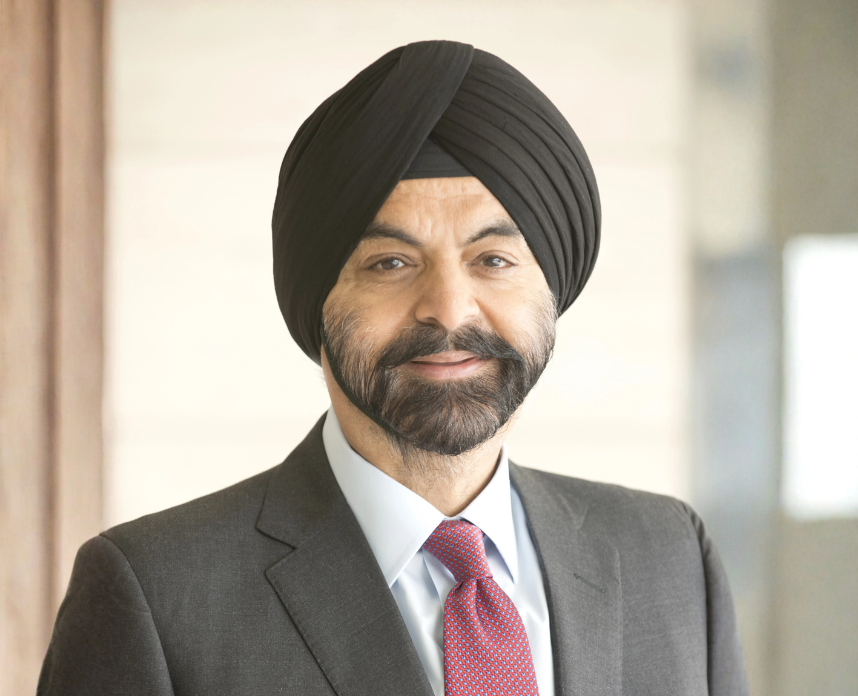
PAA will host a private lunch with Ajay Banga, President of the World Bank Group, for a select group of senior leaders. Mr Banga has been reshaping how the World Bank approaches development finance, placing particular emphasis on drawing private and philanthropic resources towards foundational systems where the gap between need and available funding remains widest.
The conversation will examine how partnership financing gains the accountability that convening alone cannot provide, and how catalytic or risk-sharing instruments can alter the conditions under which larger pools of investment are prepared to act.
.png?sfvrsn=150d02c6_1)






































-for-web-26.png?sfvrsn=3b31b919_1)
















.png?sfvrsn=36882ff_1)
-(1)-(1)-(1).png?sfvrsn=75f5a372_1)