A localised renewable energy grid or a clean-water infrastructure project travels only as far as the partnership built to carry it. Cross-sector partnerships in Asian philanthropy are what move a single pilot from one household or one country to an entire region, and the pattern closes out the fourth episode of Asian Innovation for Global Good, a podcast series by FP Studios and Philanthropy Asia Alliance (PAA).
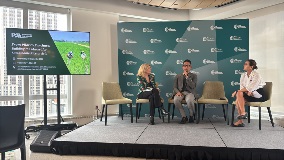
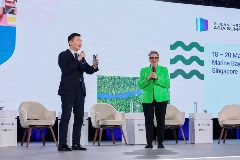
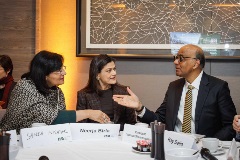
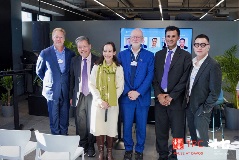
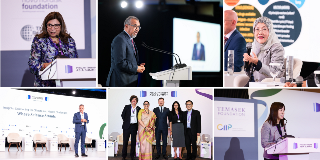
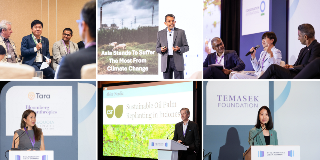
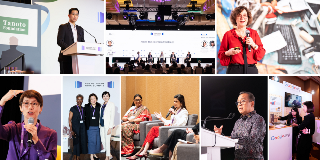
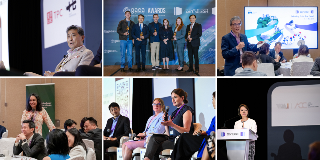
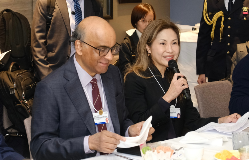
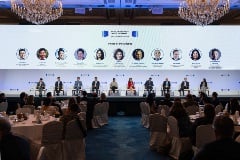
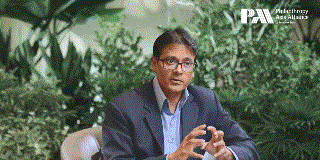
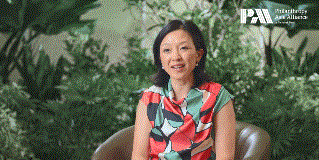
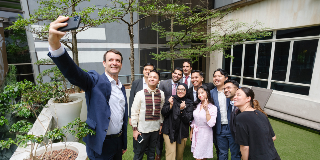
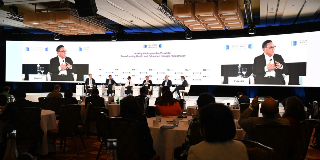
The episode was recorded live at the sixth Philanthropy Asia Summit in Singapore, where more than 2,500 delegates from over 60 countries gathered for three days of climate and health discussions alongside inclusive development work. Host Rob Sachs, Vice President of Audio at FP Studios, spoke with Woochong Um of the Global Energy Alliance for People and the Planet (GEAPP), Karen Sack of the Ocean Risk and Resilience Action Alliance (ORRAA), Dickson Lim of Temasek Trust, and Bernard Tan of Golden Philanthropies.
The places big financing won't go
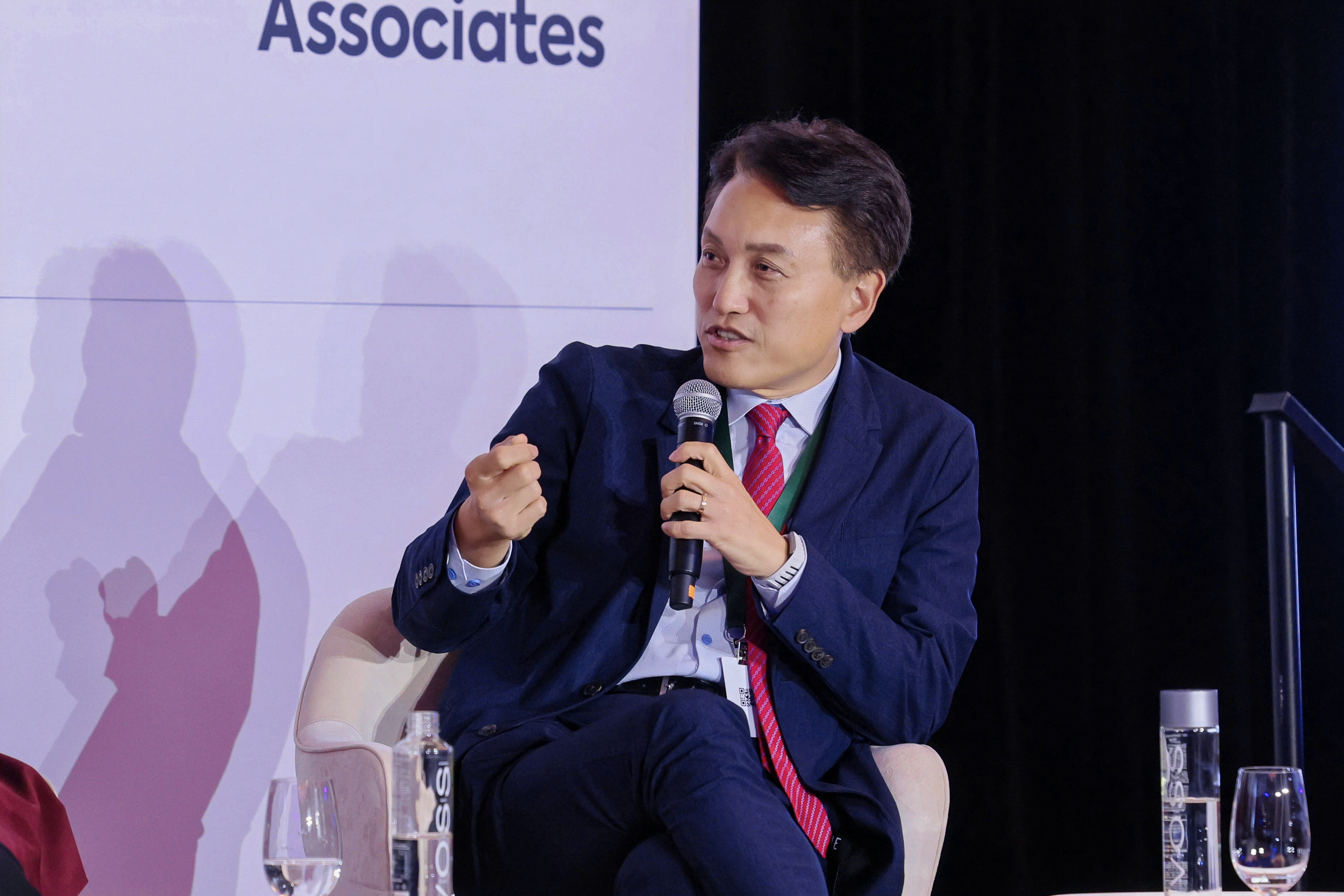
Replacing an open fire with solar-powered cooking cuts local pollution and frees up the hours once spent collecting firewood, but Woochong Um, CEO of the Global Energy Alliance for People and the Planet, argues that changing habits at the household level solves only one side of the problem. The other side is scale, and he points to a stubborn number: 700 million people worldwide still lack electricity, a figure that has barely moved in a decade after dropping sharply across the two decades before it. He attributes the stall to geography. The remaining populations sit in remote or hard-to-reach places that triple-A rated funders such as the Asian Development Bank and the World Bank cannot serve, because their risk tolerance has a ceiling those places sit beyond. "Philanthropic capital can function as, like, a tugboat for big financing," he said, "to be able to go to places where they could not go before." That capital is what turns one household's changed habit into a project the multilateral banks can pick up and scale.
Learning to speak the same language
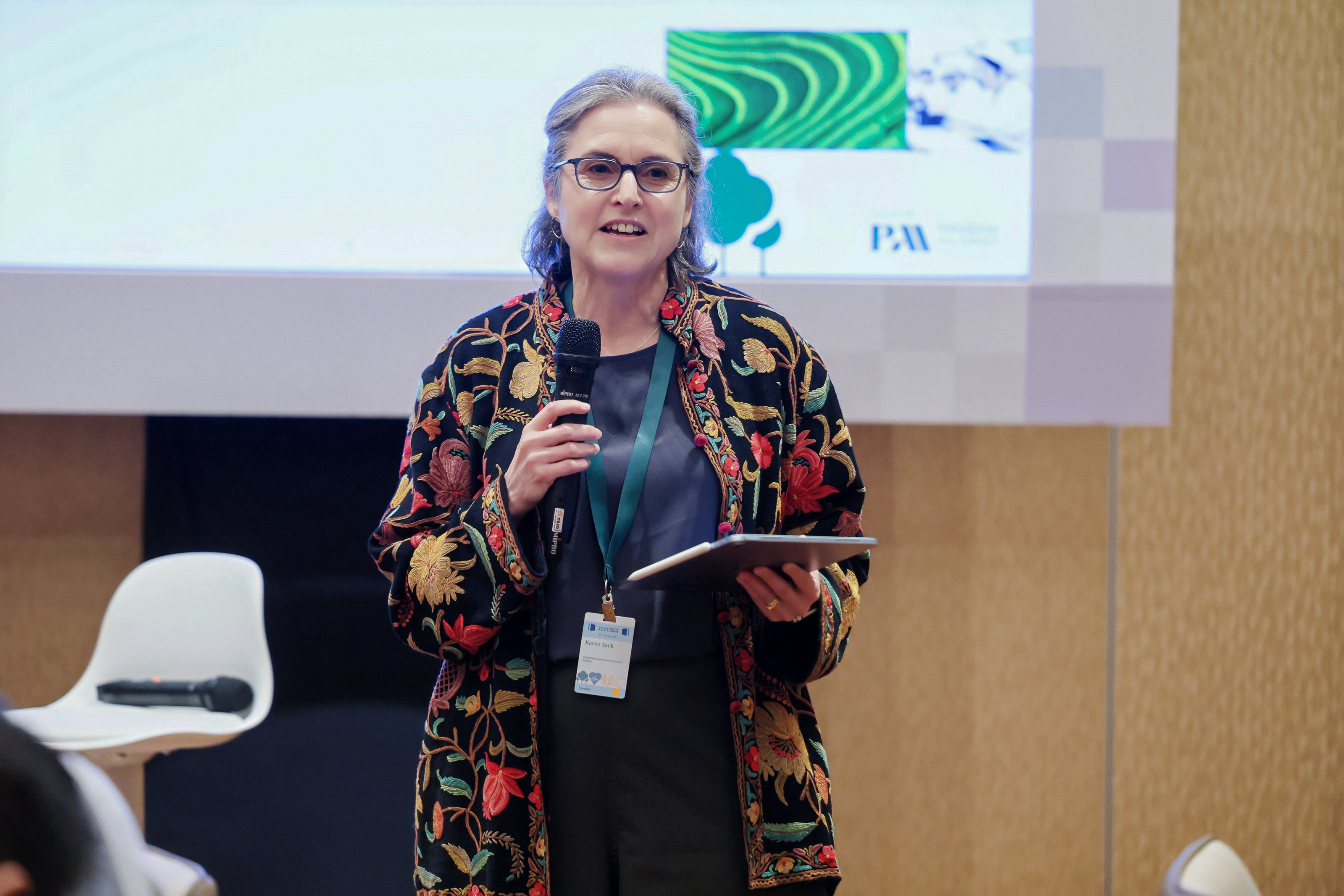
Multilateral banks are one route to scale. ORRAA, led by executive director Karen Sack, works through a different set of institutions. Her definition of a cross-sector partnership starts with individuals and organisations from different fields, finance, government, civil society, insurance and science, brought together around a single problem. ORRAA's founding meeting in Bermuda in 2018 showed why that is harder than it sounds. Convened to discuss ocean risk, the participants discovered they were speaking entirely different professional languages, unable to translate what one sector needed into terms another understood. "It's really important that we bring all of those actors together with a focus on solutions," Sack said. That focus on solutions shows up as ORRAA's US$500 million target for coastal and ocean resilience investment by 2030, protecting 250 million climate-vulnerable coastal people. ORRAA works with insurers to close what the industry calls the protection gap, designing products such as livelihood insurance that pays fishers to stay ashore in extreme weather instead of risking their lives at sea. The product itself is simple, but building it requires the sectors Sack describes translating one another's needs into a single policy.
Moving nuclear from fear to feasibility
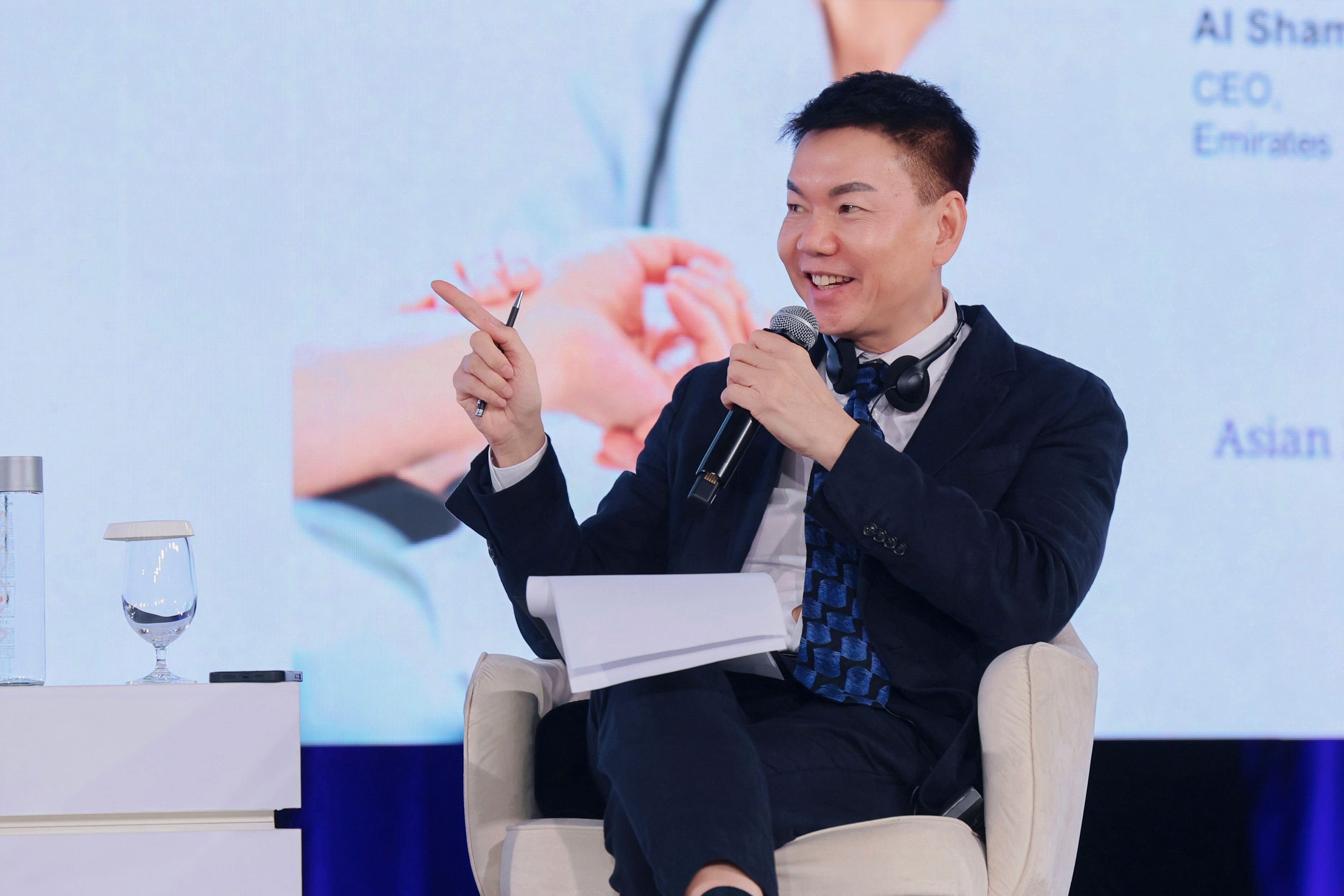
"Philanthropy should never replace what governments should do and what private investors should do," says Dickson Lim, philanthropy advisory lead at Temasek Trust. Temasek Trust and The Rockefeller Foundation have co-founded the Global Coalition for Nuclear Philanthropy, an initiative to mobilise a larger share of philanthropic capital for nuclear energy deployment in developing and emerging economies. Its job, in his framing, sits in standards and safety, and in feasibility studies like the one the Rockefeller Foundation recently funded to examine how nuclear and renewables could complement rather than compete with each other. Nuclear has historically drawn only a small fraction of climate philanthropy, a hesitation Lim puts down to decades of nuclear power being discussed mainly through the lens of danger and non-proliferation. Rising electricity demand, much of it from AI, has reopened the conversation as economics rather than ideology. That shift is bringing philanthropists back to the table to catalyse early nuclear initiatives and show that clean nuclear energy is possible.
Strength in aligned forces
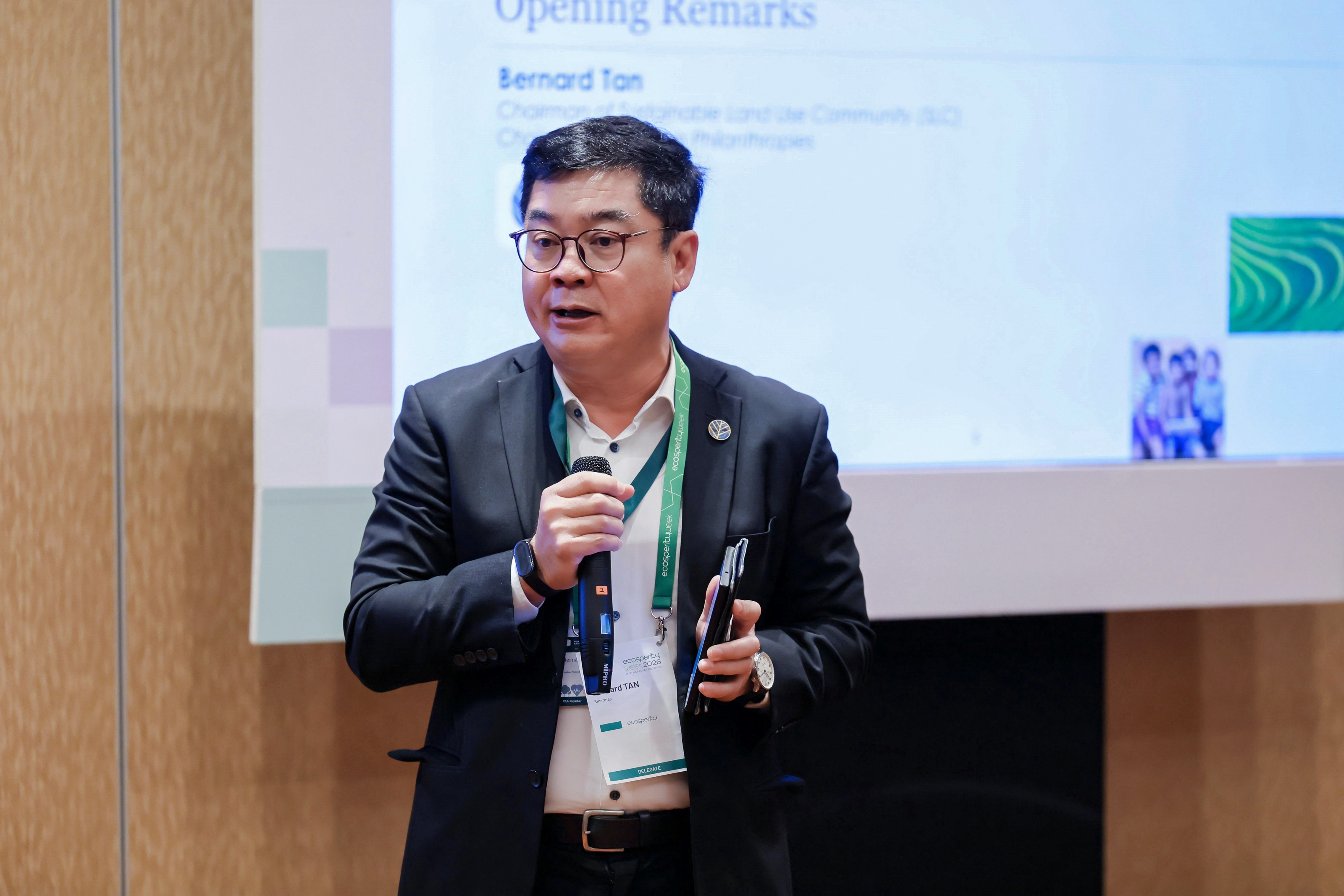
PAA's Sustainable Land Use Community works to restore ecosystems and build more resilient food systems across the region. As a founding Community Lead, the initiative is supported by Golden Philanthropies, chaired by Bernard Tan. His own remit runs from preserving carbon sinks such as mangroves to cutting the emissions embedded in food production, work he frames around improving yields, reducing emissions and improving the livelihoods of the people doing it. For him, alliances like PAA's are a deliberate safeguard against wasted effort, avoiding duplicated effort and concentrating resources on fewer, stronger bets. Coordination carries the benefit of advocacy beyond capital efficiency. "If you have five, six, seven voices saying the same thing to the same stakeholders," Tan said, "I think they listen better."
What the series adds up to
Across energy, ocean finance, nuclear power and land use, four guests reach the same structural point from different sectors: no partnership scales without someone willing to test the risky, unproven part first. Shaun Seow, PAA's CEO, frames that patience as strategy rather than caution. "Start small, build the trust, get people working collaboratively, and then scale," he said. Each pilot in this episode did the same job, building the conviction that let a government, an insurer or a market take over from there.
Listen to episode 4 of the podcast here: https://foreignpolicy.com/podcasts/asian-innovation-for-global-good/